To see which iPhone apps work with Siri, open Settings, tap Siri (called Apple Intelligence & Siri on some iPhones and iOS versions), scroll to the bottom, and tap Apps. Tap an app: if its Siri page has a switch for using the app with Siri requests, Siri can do tasks inside that app, and the Shortcuts app lists the exact phrases each app supports.
These steps cover iOS 27 and also match iOS 26 and iOS 18. Siri’s settings may appear under Siri or Apple Intelligence & Siri, as Apple notes.
What “Works With Siri” Means
Every app on your iPhone works with Siri at a basic level. You can say “Open Spotify” or “Open Notes” and Siri launches the app. When people ask which apps work with Siri, they usually mean something more: apps that let Siri do a task inside the app without you tapping through it, such as “Send a WhatsApp message to Sam” or “Start a run in Strava.”
App developers add those abilities on purpose. Apple’s current tool for this is called App Shortcuts, and according to Apple’s developer documentation for App Shortcuts, the commands an app defines are available as soon as you install it. You don’t have to record a phrase or set anything up. That’s why the app list in Settings and the Shortcuts app are the two best places to check: one shows the switch that controls Siri access, and the other shows what you can actually say.
A quick way to tell the three levels apart:
| What you see | What it means |
|---|---|
| App is in the Siri Apps list, no Siri requests switch | Siri can open the app and suggest it, but can’t act inside it |
| App has a switch for Siri requests | The developer added Siri actions you can run by voice |
| App appears under App Shortcuts in Shortcuts | The app also offers ready-made phrases you can say without setup |
See the Siri App List in Settings
- Open the Settings app (the gray gear icon).
- Scroll down and tap Siri. If you don’t see it, tap Apple Intelligence & Siri instead. The name depends on your iPhone model and iOS version, but the screen works the same way.
- Scroll to the bottom of the screen and tap Apps. You’ll see an alphabetical list of the apps on your iPhone.
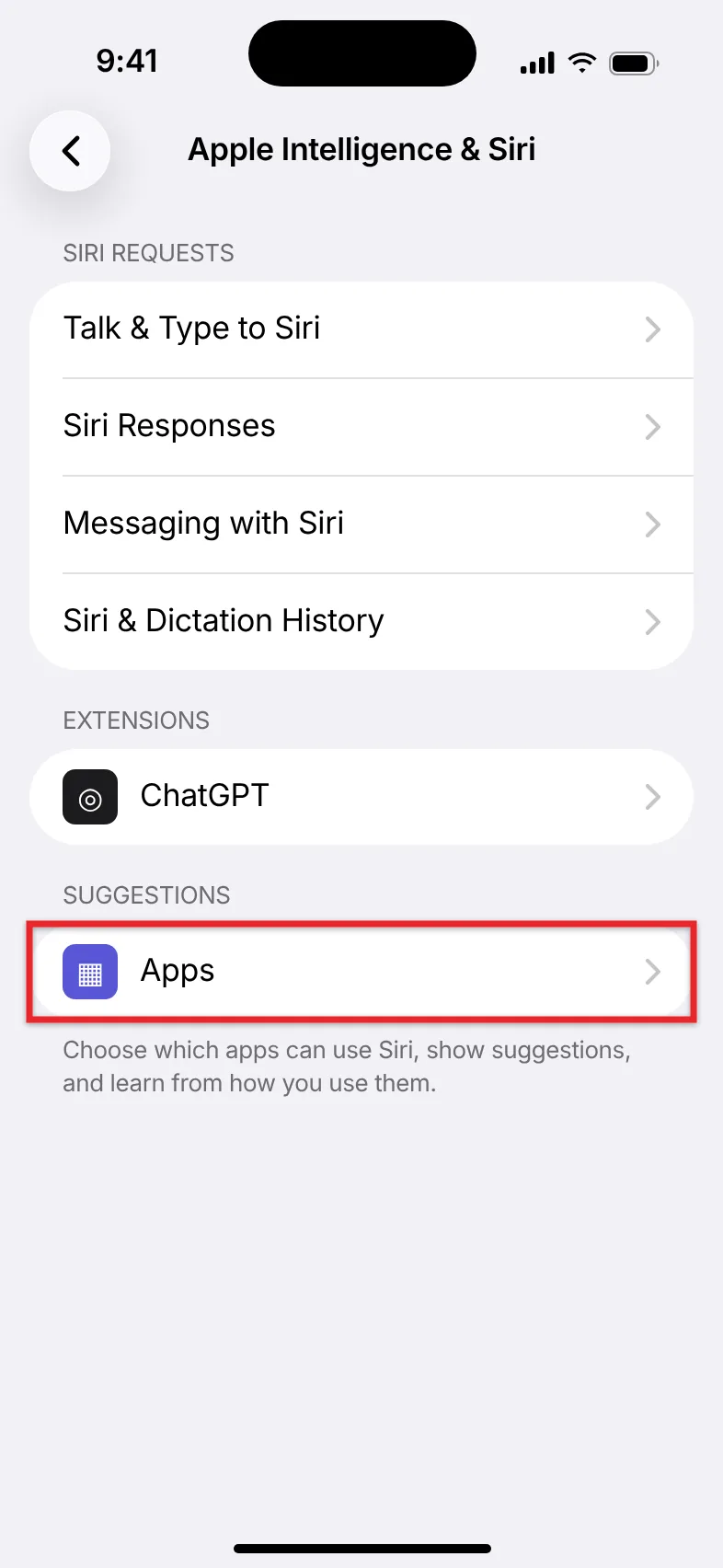
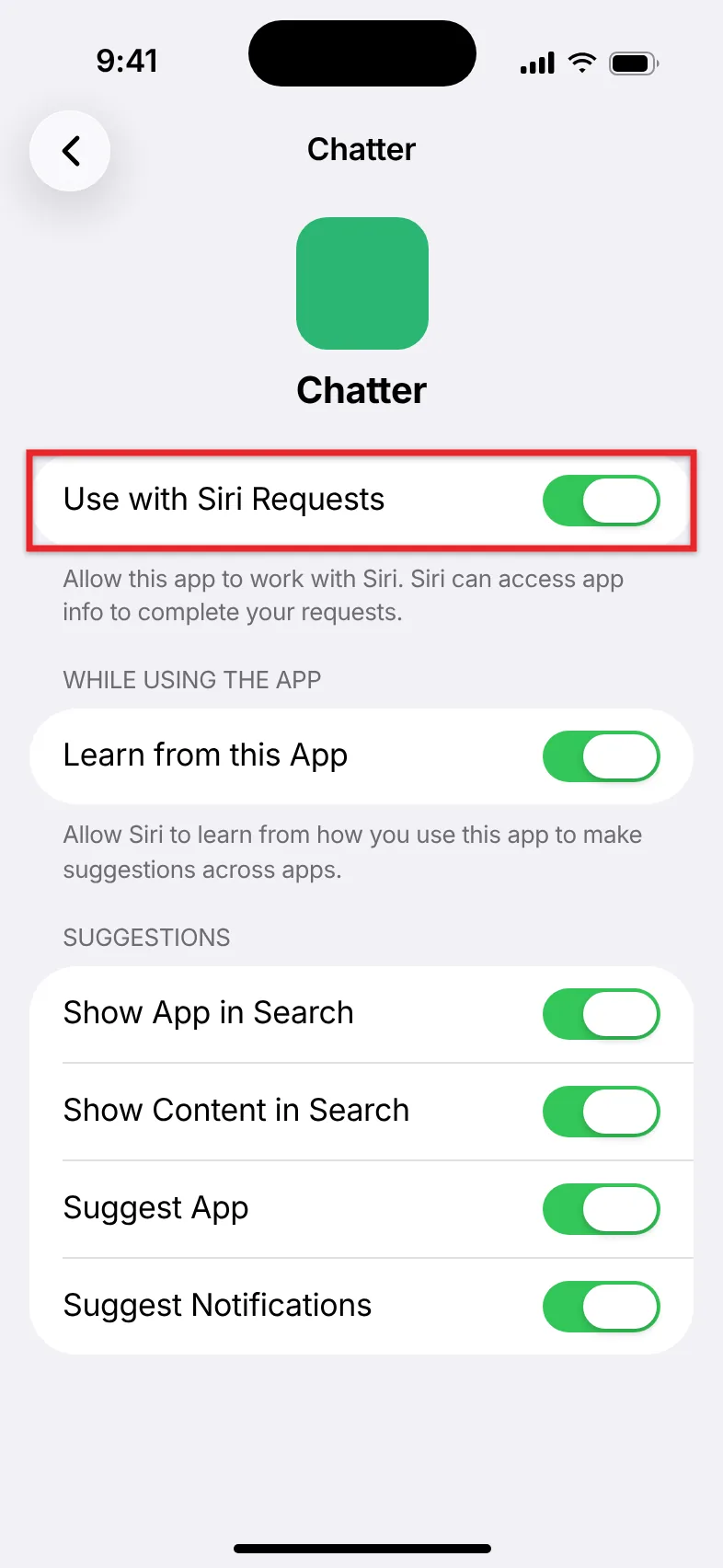
- Tap an app to open its Siri page. Every app shows Learn from this App and a few suggestion switches, such as Suggest App and Show on Home Screen.
- Look for an extra switch about using the app with Siri requests (labeled Use with Siri Requests on recent versions). If it’s there, the app has Siri actions you can run by voice. If it’s missing, Siri can open the app but can’t do tasks inside it.
- Tap the back arrow at the top left and repeat step 4 for the next app you want to check.
The app list includes nearly everything you’ve installed, so being in the list doesn’t mean an app has Siri actions. The extra switch in step 5 is what tells them apart. Apple’s own apps, such as Messages, Mail, Notes, Reminders, and Music, have built-in Siri support and may show a different set of switches.
Check One App From Its Own Settings Page
Since iOS 18, each app’s settings live under Settings > Apps, and that page has its own Siri entry. This is handy when you already know which app you want to check.
- Open Settings, scroll to the bottom, and tap Apps.
- Tap the app you want to check.
- Tap Siri or Apple Intelligence & Siri on the app’s page. You’ll see the same switches as in the list above.
If you can’t find an app in either list, read about finding all the apps installed on your iPhone to check whether it’s still on the phone or hidden in the App Library. An app that was offloaded to save space keeps its icon but has to be downloaded again before Siri can use it.
See the Siri Commands Each App Offers in Shortcuts
The Settings list tells you whether an app has Siri actions, but not what they are. The Shortcuts app fills that gap. It comes preinstalled on every iPhone; if you deleted it, you can download it again from the App Store for free.
- Open the Shortcuts app.
- Tap the Shortcuts tab at the bottom of the screen. If you land inside a folder, tap the back arrow at the top left until you see the full list of collections.
- Scroll down to the App Shortcuts section. Each tile is an app that offers ready-made Siri commands.
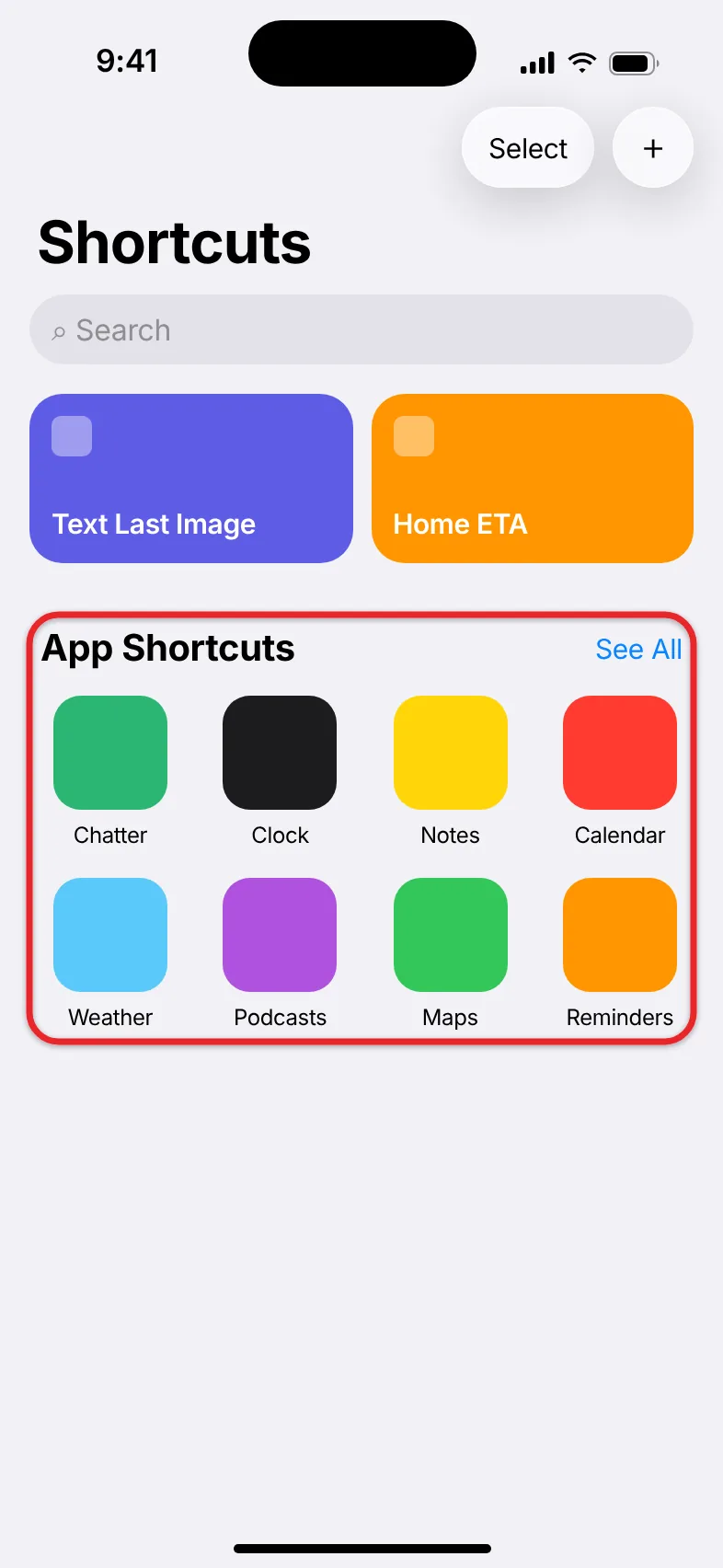
- Tap an app to see its commands. Each one shows the exact phrase to say to Siri, and most phrases include the app’s name.
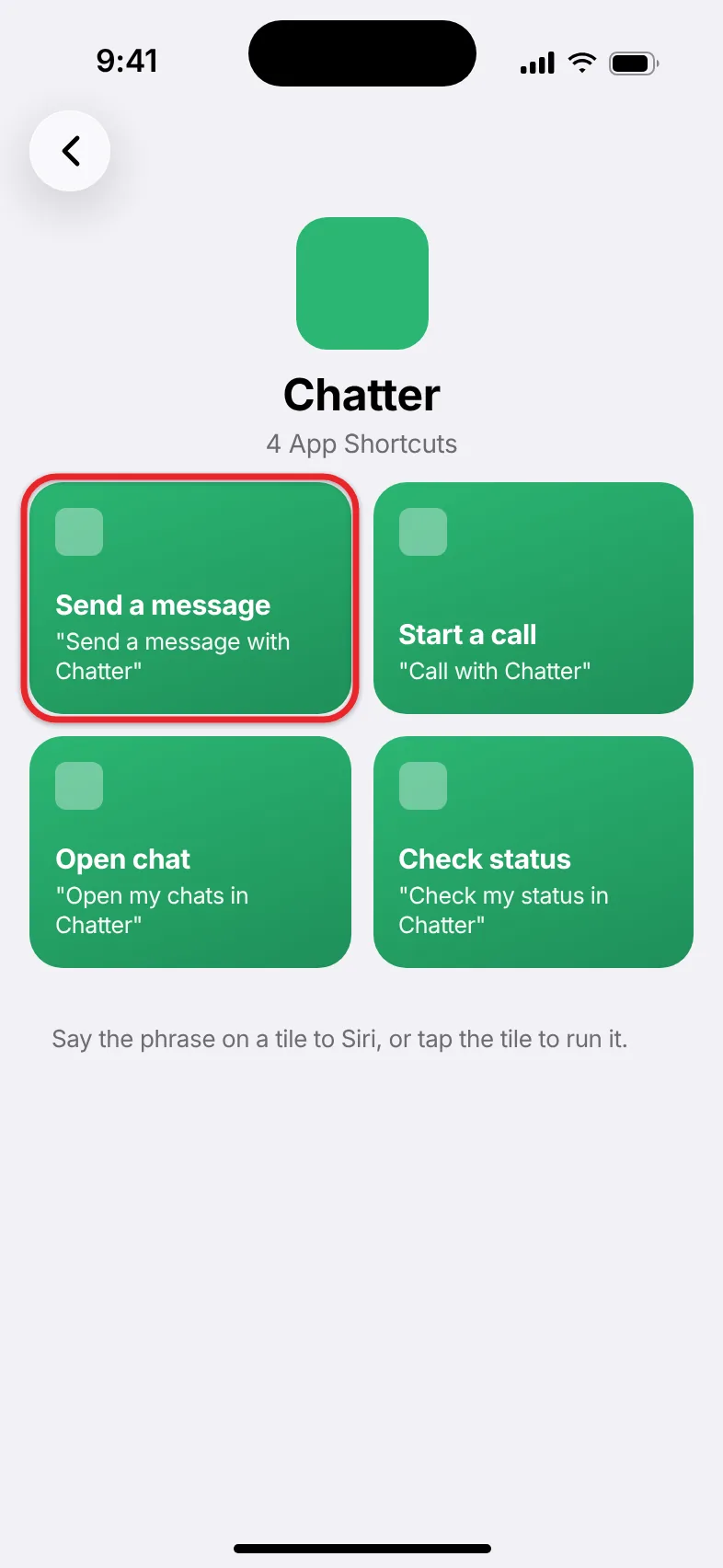
- Tap a command to run it right away, or say the phrase to Siri to test it.
This is the most practical way to answer “What can Siri do with this app?” If an app doesn’t appear under App Shortcuts, it may still support a few older Siri actions, but it hasn’t added the ready-made commands Apple currently recommends.
Some apps also show a small tip inside the app suggesting a phrase, like “Try saying ‘Hey Siri, log my water.'” Those tips come from the same App Shortcuts, so anything you see there will also be listed in the Shortcuts app.
Other Quick Ways to Check
- Ask Siri directly. Make a request that includes the app’s name, the same way you’d phrase it to a friend. If the app supports that request, Siri does it or asks for permission to use the app. If it doesn’t, Siri tells you the app hasn’t added support for that.
- Watch for a prompt the first time you open an app. Apps with Siri features may ask whether Siri can use the app. You can change your answer later with the switches above.
- Read the App Store page. Many developers mention Siri or Shortcuts support in the app description or the What’s New notes.
Siri AI in iOS 27 and Apps
iOS 27 adds Siri AI (Beta), a rebuilt Siri that can take a single request across several apps, such as finding an address in Messages and getting directions in Maps. According to Apple’s Siri AI page, it needs an iPhone 15 Pro or later, an iPhone 16 or later, or iPhone Air, it currently works in English only, and you join it from Settings > Siri > Try Siri AI (Beta), which places you on a waitlist. It isn’t available on iPhone in the EU and doesn’t currently work with an Apple Account in mainland China.
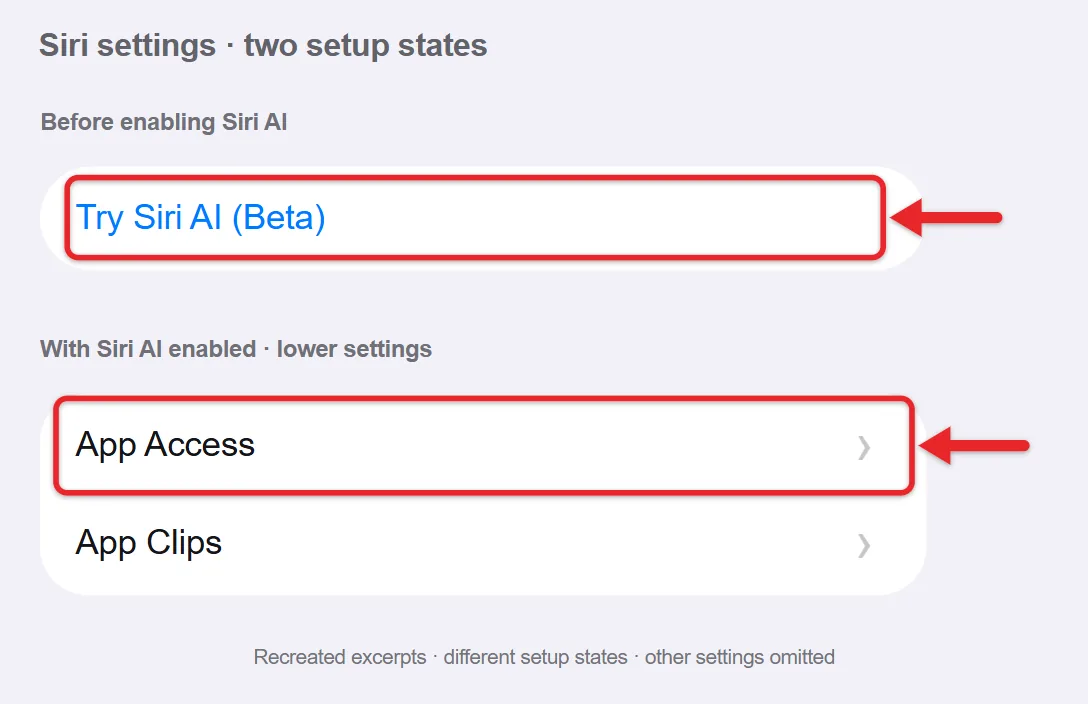
Siri AI works most deeply with Apple’s own apps. For third-party apps, the same rule still applies: the developer has to add support, and Apple hasn’t published a full list of compatible apps. The Apps list and the Shortcuts app are still the places to check, and Siri may ask for permission before it reads from or acts in a third-party app. iOS 27 also adds a separate Siri app where you can type requests and return to past Siri conversations; it doesn’t change which apps Siri can act in.
Turn Siri On or Off for One App
You can keep Siri on but stop it from using a specific app, or limit how much Siri learns from it.
- Go to Settings > Siri > Apps (or Settings > Apple Intelligence & Siri > Apps) and tap the app.
- Turn off the switch for using the app with Siri requests if you don’t want Siri to perform actions in that app. Siri will still open the app when you ask.
- Turn off Learn from this App if you don’t want Siri to learn how you use the app. Siri uses that information for suggestions, such as showing the app on the Lock Screen at the time you usually open it. Turning it off also removes the app from those suggestions.
- Turn off Suggest App or Show on Home Screen to stop the app from appearing in Siri Suggestions in search and on the Home Screen.
Changes take effect right away; there’s no save button. To undo them, return to the same page and turn the switches back on. To confirm a change worked, ask Siri to do something in that app: with the Siri requests switch off, Siri can open the app but won’t finish the task.
To control what else shows up when you search, you can also choose what appears in Spotlight Search on iPhone.
These per-app switches are different from Siri’s main settings. If you want to change the voice, the language, or how you call Siri, read about changing the Siri voice and settings on iPhone.
Whether Siri reads an app’s alerts aloud in your headphones is controlled elsewhere, in the Announce Notifications settings on iPhone.
If an App Doesn’t Respond to Siri
- The app has no Siri actions. If its Siri page has no switch for Siri requests and it isn’t listed under App Shortcuts, Siri can only open it. Check the app’s App Store page or the developer’s help site for Siri support.
- The Siri switch for the app is off. Go to Settings > Siri > Apps, tap the app, and turn the switch back on.
- You used the wrong phrase. App commands usually need the app’s name in them. Open the app’s page in the Shortcuts app and use the exact phrase shown there.
- Your iPhone is locked. Siri responds on a locked iPhone only if Siri is allowed when locked in the Siri settings, and many apps ask you to unlock with Face ID or your passcode before they’ll finish a task.
- The app was just installed or updated. Open the app once so it can finish setting up, then try Siri again.
- Siri doesn’t respond at all. Make sure Siri is turned on under Settings > Siri, and that the option to talk to Siri is on under Requests (or Talk & Type to Siri on earlier versions). Apple’s Siri troubleshooting page also suggests checking your internet connection and updating iOS. If the Siri menu is missing entirely, check Settings > Screen Time > Content & Privacy Restrictions > Allowed Apps & Features and make sure Siri & Dictation is allowed.
- Siri opens when you don’t want it to. On iPhones with a Home button, holding the button calls Siri. Why Siri keeps opening when you press the Home button explains the setting that controls it.
Siri App Support Questions
Does every iPhone app work with Siri?
Every app can be opened with Siri. Only apps whose developers added Siri actions let you do things inside them by voice, such as sending a message or starting a timer in that app.
Why is an app in the Siri list if it doesn’t work with Siri?
The Apps list in Siri settings also controls Learn from this App and Siri Suggestions, which apply to almost every app. Look for the extra switch for Siri requests or check the Shortcuts app to see whether the app has real Siri actions.
Is ChatGPT one of the apps in the Siri list?
No. On iPhones with Apple Intelligence, ChatGPT appears as a separate ChatGPT option in the Siri settings, above the Apps list. It’s an extension that Siri can hand questions to, and it works whether or not you have the ChatGPT app installed.
Does Learn from this App send my data to the app developer?
No. Learn from this App controls what Siri learns on your iPhone for its own suggestions. It doesn’t share your activity in that app with the developer or other third parties. Turning it off only changes the suggestions Siri shows you.
Do I need Siri AI to use Siri with apps?
No. App Shortcuts and Siri requests work with the standard Siri on any iPhone that runs a current iOS version. Siri AI adds requests that span several apps, but each third-party app still needs its developer’s support.
Can I add my own Siri command for an app?
Yes. In the Shortcuts app, tap the + button to create a shortcut, add actions from the app, and give the shortcut a name. Saying that name to Siri runs the shortcut.

Matthew Burleigh is the founder, head writer, and editor of Solve Your Tech, which he launched in 2012. He has written technology tutorials since 2008 and worked in IT since 2003, including small-business support, IT management, and consulting. He holds Bachelor’s and Master’s degrees in Computer Science from Arizona State University.
Matthew writes practical guides for Windows, iPhone and iPad, Microsoft Office, Outlook, Google apps, and Android. Solve Your Tech’s guides are checked step by step against the device or app maker’s own documentation and tested on his own devices whenever he has the hardware or software, with clear steps, sources, and update dates.
Read more about Matthew and how Solve Your Tech writes and updates its guides, or report a correction.