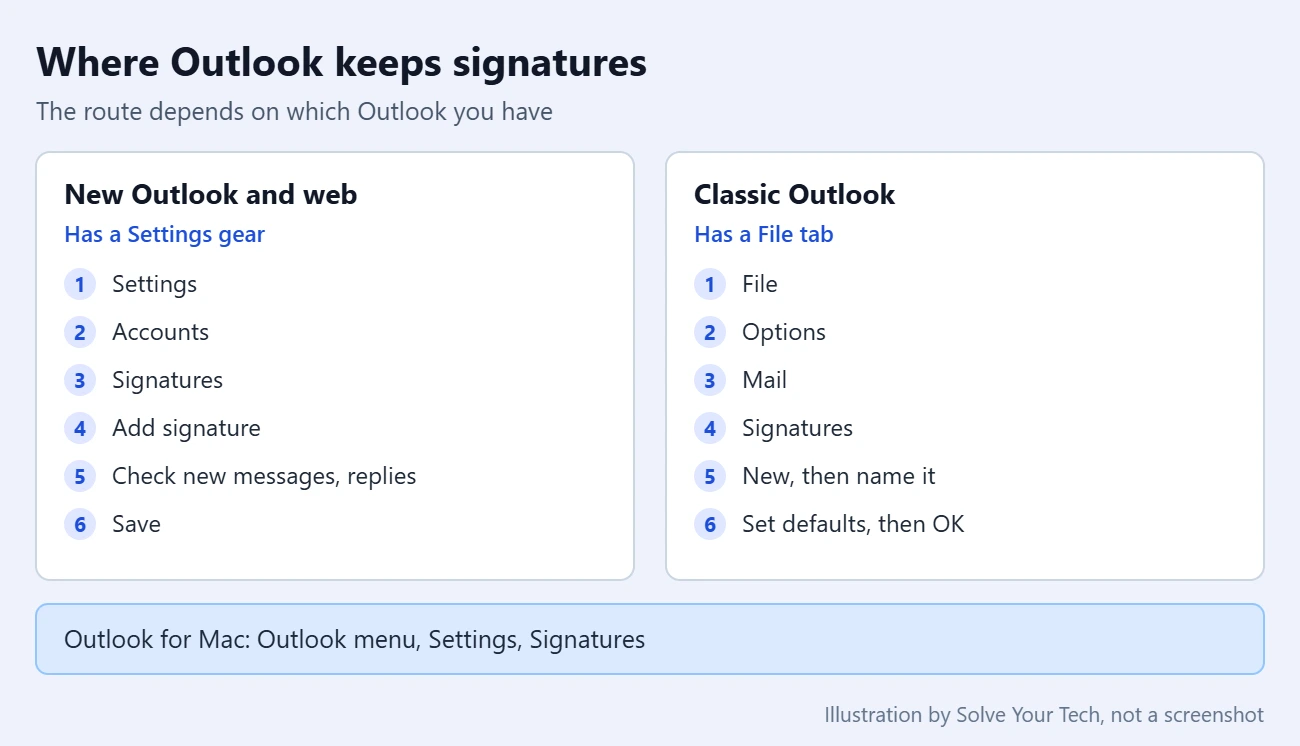
To add a signature in the new Outlook for Windows, Outlook on the web, or Outlook.com, select Settings (gear icon) > Accounts > Signatures, select Add signature, type it, choose whether it applies to new messages and to replies and forwards, and select Save. In classic Outlook for Windows, go to File > Options > Mail > Signatures instead.
An email signature is a block of text, links, or images that Outlook places at the bottom of your messages, usually your name, job title, and contact details.
Before You Start: Which Outlook Do You Have?
Outlook is several different apps that share a name, and the signature setting is in a different place in each one. Microsoft’s test for Windows is simple: look at the top right corner of the Outlook window.
- New Outlook for Windows: there is a Settings gear in the top right corner, and the ribbon has Home, View, and Help tabs.
- Classic Outlook for Windows: there is no Settings gear, and there is a File tab in the top left corner. This applies on both Windows 10 and Windows 11; the Windows version alone does not tell you which Outlook you have.
- Outlook on the web and Outlook.com: you read your mail in a browser. The steps match the new Outlook.
- Outlook for Mac and the Outlook phone app: each has its own short route, covered further down.
If you are still unsure, Microsoft’s What version of Outlook do I have? page shows the icons side by side.
| Outlook version | Where the signature setting is | How you set the automatic signature |
|---|---|---|
| New Outlook for Windows | Settings > Accounts > Signatures | Checkboxes for new messages and for replies and forwards |
| Outlook on the web, Outlook.com | Settings > Accounts > Signatures | Same checkboxes as the new Outlook |
| Classic Outlook for Windows | File > Options > Mail > Signatures | New messages and Replies/forwards drop-downs |
| Outlook for Mac | Outlook menu > Settings > Signatures | For new messages and For replies or forwards options |
| Outlook for iPhone and Android | Settings > Signature (under Mail) | One signature, or one per account |
New Outlook for Windows, Outlook on the Web, and Outlook.com
Microsoft notes that creating a signature works the same way in the new Outlook and in the web versions, so one set of steps covers all three.
- Select the Settings gear icon. In the new Outlook it is in the top right corner of the window; on the web it is at the top of the page. A Settings window opens over your mailbox.
- Select Accounts, then Signatures.
- If you have added more than one email account, choose the account this signature is for. Signatures are saved per account, so picking the wrong one is a common reason a signature seems to go missing later.
- Select Add signature (shown as New signature in some versions) and give it a distinct name, such as Work or Short reply. The name is only there to help you tell your signatures apart.
- In the editing box under the name, type your signature. Use the formatting toolbar to change the font, color, and style, or to add a link or a picture. To set the font size for the rest of your emails, change the font size in Outlook.
- Use the checkboxes at the bottom to apply the signature to new messages, to replies and forwards, or to both. Leave a box blank if you would rather add the signature by hand for that kind of message.
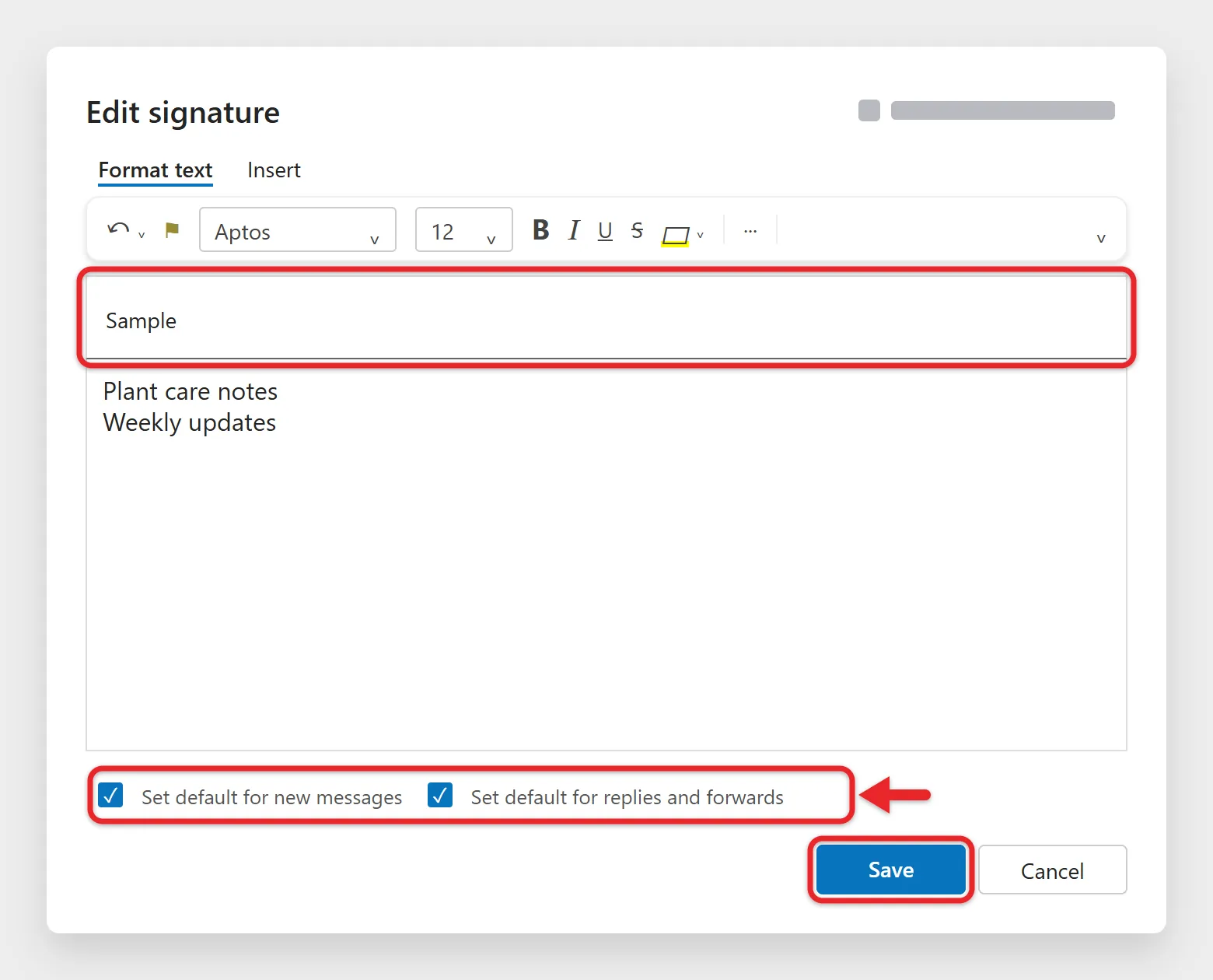
- Select Save when you are done.
Some older guides send you to Settings > Mail > Compose and reply for this. Microsoft’s current instructions use Accounts > Signatures, so start there.
Classic Outlook for Windows
Classic Outlook uses a separate window called Signatures and Stationery. You can reach it two ways: File > Options > Mail > Signatures, or from a new email by selecting Signature > Signatures on the Message tab. Both open the same window.
- Select File, then Options.
- Select Mail, then select the Signatures button.
- In the E-mail account drop-down box, choose the account to associate with the signature. You can have different signatures for each account.
- Under Select signature to edit, choose New, type a name for the signature, and select OK.
- Under Edit signature, type your signature. The small formatting bar above the box lets you change fonts, colors, sizes, and alignment, and add links and images.
- Under Choose default signature, open the New messages drop-down and pick your signature. Do the same in Replies/forwards if you want it on those too. Leaving either one set to (none) means no signature is added automatically for that message type.
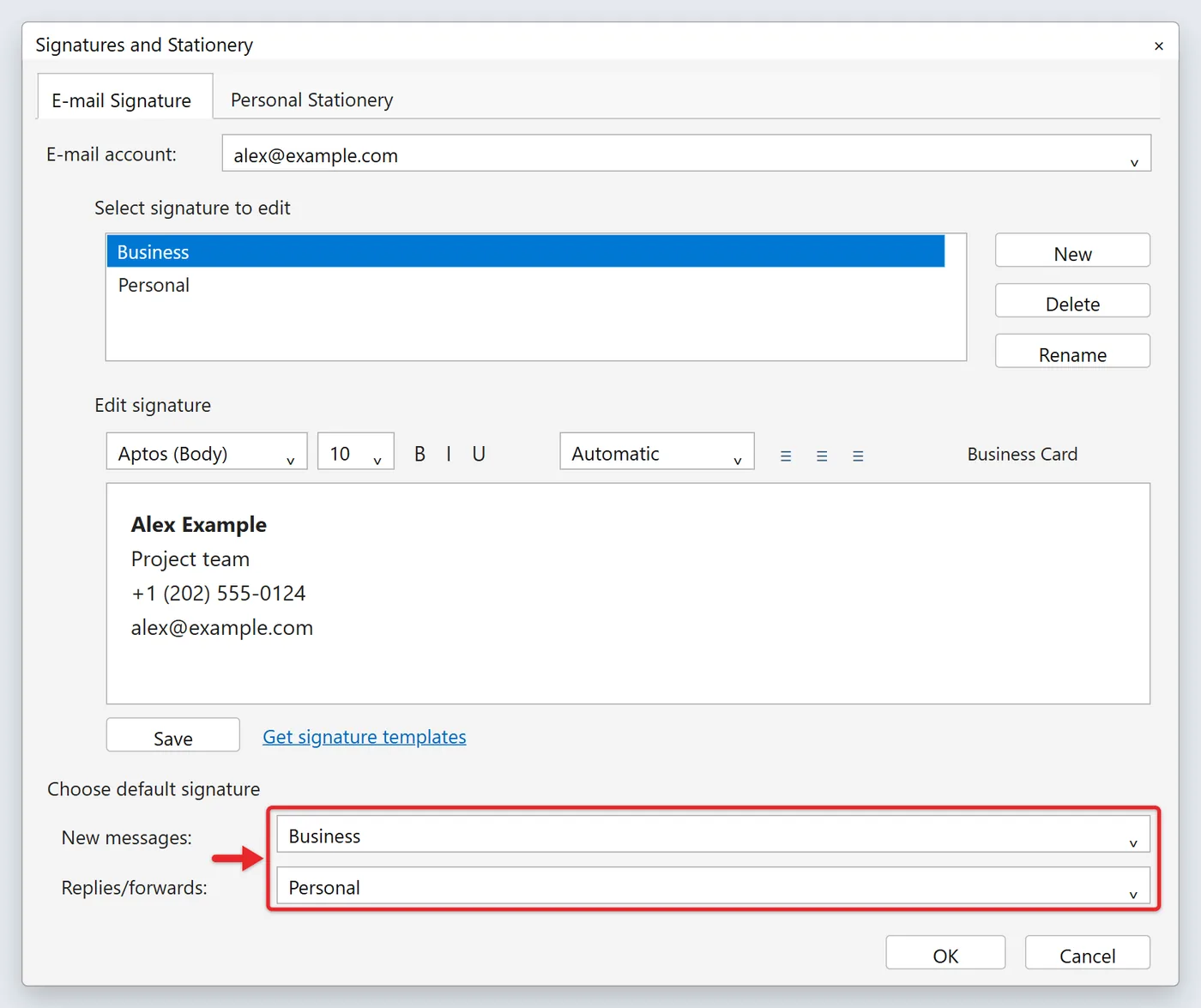
- Select OK to save.
One thing to expect: if you opened the Signatures window from a new email, classic Outlook does not add the new signature to that already-open message. Add it by hand for that one email. Later messages get it automatically.
Add a Logo or Image in Classic Outlook
- Open the Signatures window and choose your signature in the Select signature to edit box.
- Click where the picture should go, select the Image button on the formatting bar, find the image file, and select Insert.
- To resize it, right-click the image, choose Picture, and use the Size tab. Keep Lock aspect ratio checked so the logo does not stretch.
- Select OK, then OK again.
For a signature with a table, borders, or social icons, build it in Word and paste it into the Edit signature box. Word has ready-made designs: select File > New, search for Email signature, and follow Microsoft’s guide to creating a signature from a template.
If pasted signature text brings stray fonts or colors into a message, here’s how to remove formatting from an email in Outlook.
The Format Text tools in the message body also let you strikethrough text in Outlook when you need to show a change.
Outlook for Mac
- On the Outlook menu at the top of the screen, select Settings.
- Under Mail, select Signatures.
- Select Standard and rename that default signature, or select the plus button to add a new one and type a name.
- Type your signature in the editor. Select text before applying formatting. The See more items (three dots) menu has options for a picture, a link, or a table.
- Under Choose which signature appears, select the account, then set For new messages and For replies or forwards. With several accounts, set the default for each one separately.
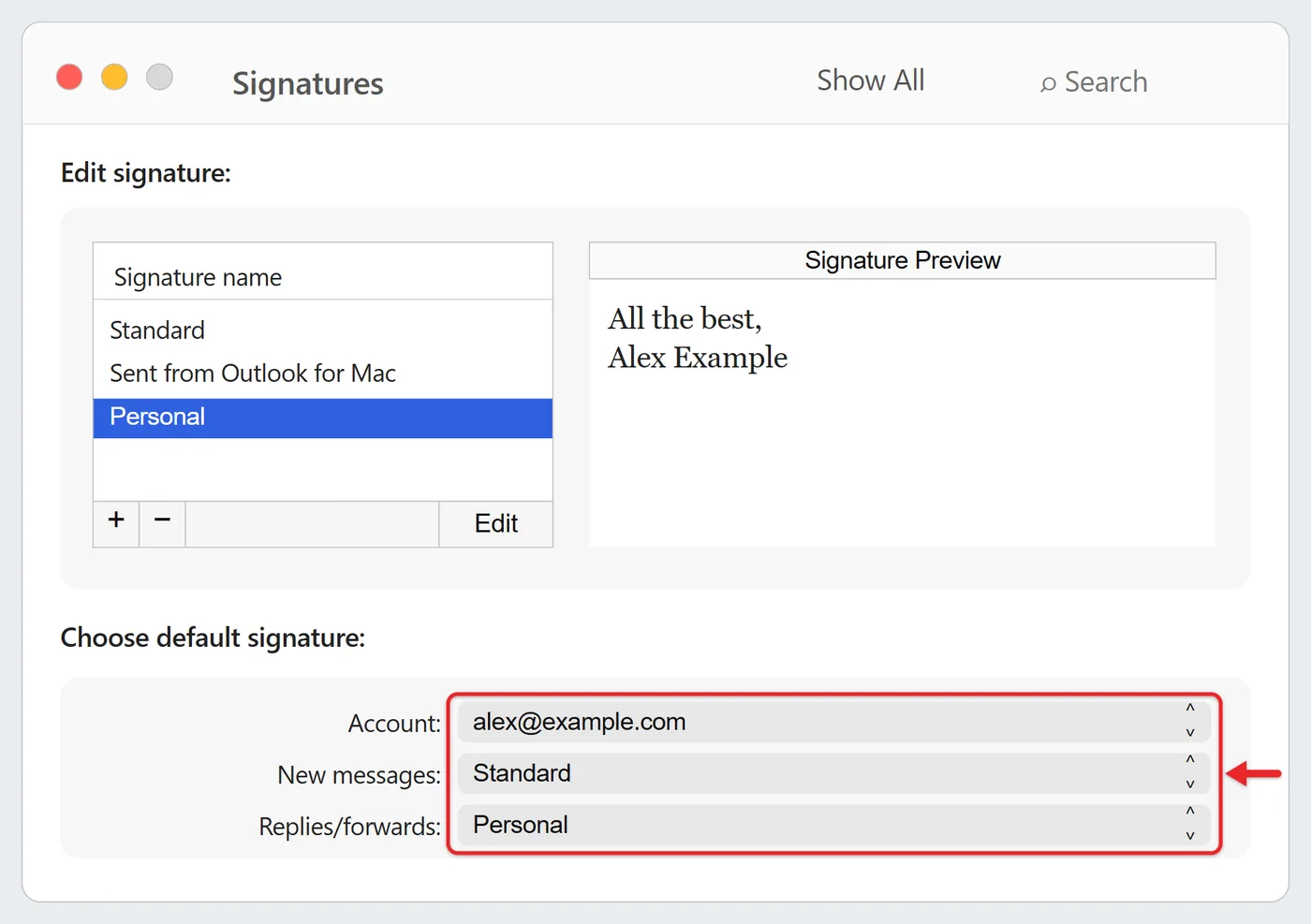
- Close the Signatures window.
The older, legacy Outlook for Mac has the same route with slightly different labels (New messages and Replies/forwards). Microsoft is ending support for legacy Outlook for Mac in October 2026. Its Outlook for Mac signature page lists both sets of steps.
Outlook App on iPhone and Android
- Open the Outlook app and open Settings.
- Under Mail, tap Signature.
- Type your signature. If you have several accounts in the app and want a different signature for each, turn on Per Account Signature and enter one for each account.
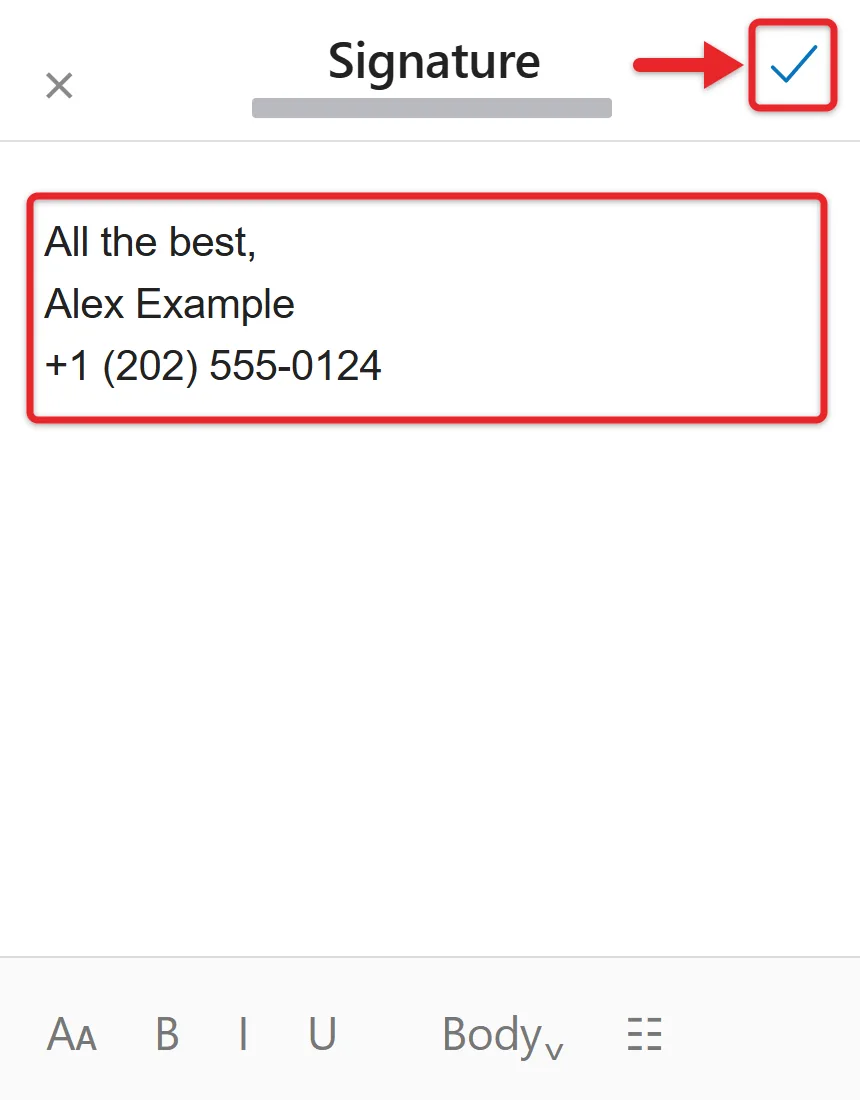
The mobile app has no formatting toolbar and no separate reply setting, so keep this signature short. A signature you made on a computer doesn’t always appear in the app, so check it and add one there if needed.
Insert a Signature by Hand, or Switch to Another One
You do not have to make a signature automatic. You can save several and pick one as you write.
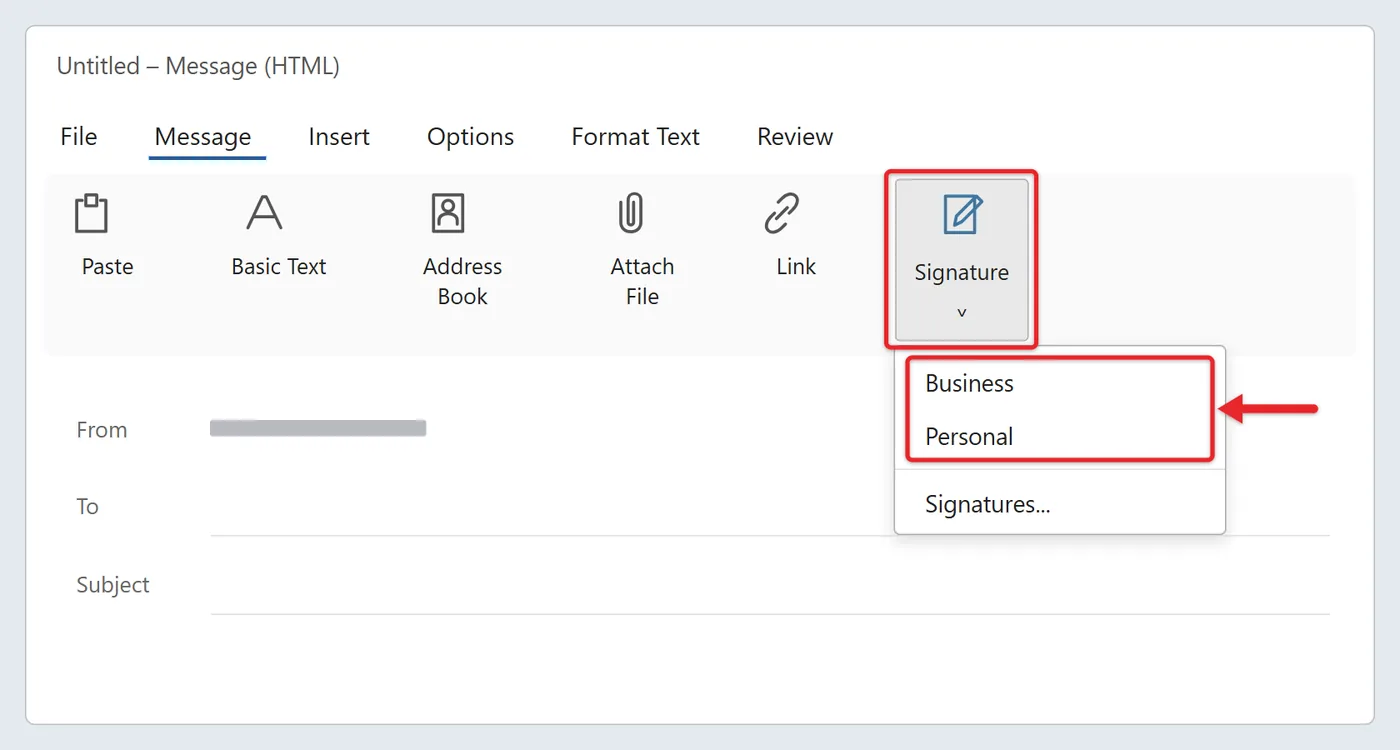
- New Outlook: select New mail, then on the Message tab, in the Insert group, select Signature and choose a saved signature.
- Outlook on the web and Outlook.com: in a new message or reply, select Signature on the Message tab and choose one.
- Classic Outlook: in the message, select Signature on the Message tab and choose from the menu.
- Outlook for Mac: click in the message body, select Signature on the ribbon, and choose one. It may be under See more items.
Change an Existing Signature
Classic Outlook
- Open File > Options > Mail > Signatures.
- Select the existing signature, then change its text in the Edit signature box.
- Select Save, then OK.
New Outlook, Outlook on the Web, and Outlook.com
- Open Settings > Accounts > Signatures. Select the account if a choice appears.
- Select the Edit signature button next to the signature you want to change.
- Edit the content and select Save.
On a Mac, go to Outlook > Settings > Signatures, select the signature under Signature name, select Edit, make your changes, and close the window.
Check, Turn Off, or Delete a Signature
Open a brand-new message, then open a reply to any email. Your signature should appear in each one you set it for. An email you had already started may still contain the previous text, so check a fresh one. For example, after updating your phone number, confirm the new number shows before you send your next message.
To stop a signature from being added automatically, go back to the same settings. In the new Outlook and on the web, clear the checkboxes for new messages and for replies and forwards, then select Save. In classic Outlook, set New messages and Replies/forwards to (none) and select OK. The signature stays saved, so you can still insert it by hand. To leave it off a single email, select the signature text in that message and delete it.
To delete a saved signature, open the same signature settings, select it, and choose Delete. Classic Outlook asks you to confirm. Then check the defaults for each account. Deleting a signature doesn’t change emails you already sent. To remove only a logo, open the signature in the editor, click the picture, press Delete, and save.
Troubleshooting: Signature Missing or Not Showing
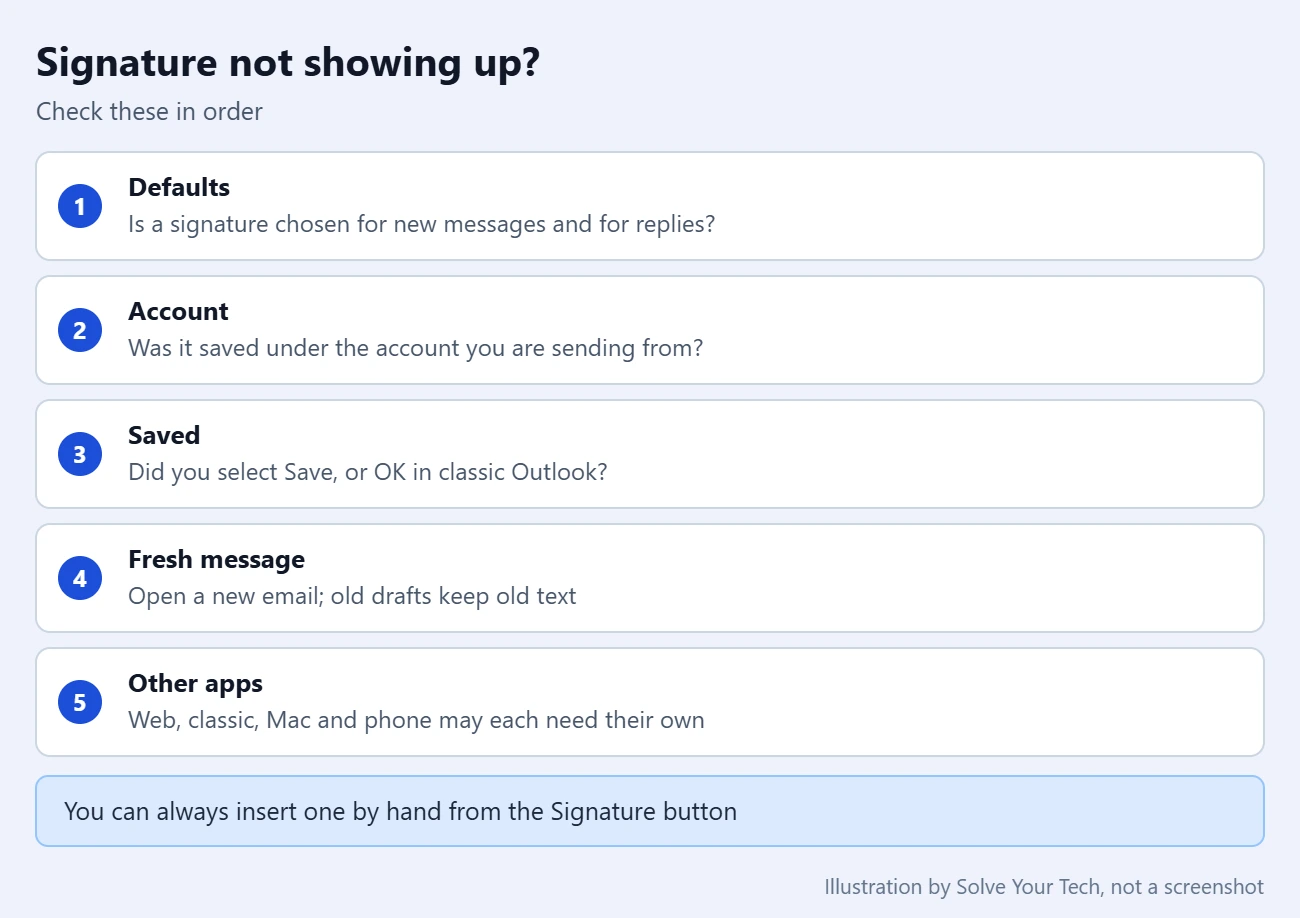
- It appears on new emails but not replies (or the other way around). The two are set separately. Check both checkboxes in the new Outlook, or both drop-downs in classic Outlook.
- It appears for one email address but not another. Signatures and their defaults belong to an account. Open the signature settings, switch to the other account, and set a default there too. To confirm which address a message is going out from, show the From field in Outlook.
- You cannot find Signatures in Settings. In the new Outlook and on the web, look under Accounts. If your Outlook has a File tab and no gear, you have classic Outlook: use File > Options > Mail > Signatures. If the new Outlook steps do not work, you are probably not using the new Outlook yet.
- It is missing on another computer or in the browser. According to Microsoft, signatures stored on a device in classic Outlook are kept locally and may not be available on another device. It also says that if you use both Outlook and Outlook on the web, you need to create a signature in both. Whether a signature follows you depends on your account type and version, so the reliable fix is to open each app you use and confirm the signature is there.
- A picture shows up as an attachment or does not display. In classic Outlook, add pictures with the Image button in the signature editor, as described above. Signatures containing Vector Markup Language (VML) tags, an older graphics code sometimes left behind by pasted designs, can make elements arrive as attachments instead of inline images. Keep in mind that a recipient’s email app may also hide pictures until they choose to show them.
Tips for a Good Signature
- Keep it short: name, title, company, and one way to reach you.
- Use a small logo image, if any. Check that it stays readable in the message and does not overwhelm your contact details.
- Create a shorter version for replies so long threads stay readable.
- Send yourself a test email and look at it on a computer and on a phone.
If you also send mail from a Google account, here is how to create a signature in Gmail.
Leave words like “attachments” out of your signature, because Outlook scans the whole message and can warn about a missing file every time. To stop the warning, turn off the attachment reminder in Outlook.
Frequently Asked Questions
Why doesn’t my signature appear?
Most often it has not been set as the default. In the new Outlook or on the web, open Settings > Accounts > Signatures and check the boxes for new messages and for replies and forwards, then select Save. In classic Outlook, open File > Options > Mail > Signatures and pick the signature in the New messages and Replies/forwards drop-downs. Also confirm the right account is selected. Microsoft has steps for every version in its email signature guide.
Can I have more than one signature?
Yes. Outlook lets you save multiple signatures, such as one for work and one for personal mail, or a long one and a short one. Create each with Add signature (or New in classic Outlook), then choose which one is automatic. You can switch to any other saved signature from the Signature button on the Message tab while writing an email.
Is an email signature the same as a digital signature?
No. The signature in this guide is just text and images at the end of a message. A digital signature is a security feature that uses a certificate to help prove who sent a message and that it was not altered. It is set up separately, usually by a workplace, and adding an email signature does not turn it on.
How do I set an out of office message?
That is a separate feature called automatic replies. Here are the steps to set out of office in Outlook.
Next Steps
Don’t have an address yet? Here’s how to create a free Outlook email account.
While you’re in your account settings, you may also want to know how to change your password in Microsoft Outlook. The Mail options are also where you can turn off read receipts in Outlook. In the browser version, you can also customize the toolbar in Outlook.com to choose which buttons appear while you write.

Matthew Burleigh is the founder, head writer, and editor of Solve Your Tech, which he launched in 2012. He has written technology tutorials since 2008 and worked in IT since 2003, including small-business support, IT management, and consulting. He holds Bachelor’s and Master’s degrees in Computer Science from Arizona State University.
Matthew writes practical guides for Windows, iPhone and iPad, Microsoft Office, Outlook, Google apps, and Android. Solve Your Tech’s guides are checked step by step against the device or app maker’s own documentation and tested on his own devices whenever he has the hardware or software, with clear steps, sources, and update dates.
Read more about Matthew and how Solve Your Tech writes and updates its guides, or report a correction.