To upload photos from your iPhone to a computer, connect the iPhone with a USB cable, unlock it, and tap Trust when asked. On a Mac, import them with the Photos app. On a Windows PC, install Apple’s Apple Devices app first, then import with the Windows Photos app. To skip the cable, turn on iCloud Photos and your pictures sync to your computer on their own.
These steps are written for iOS 27 on iPhone, current macOS, and Windows 11. They also work on iOS 26 and earlier and on Windows 10, with the small menu differences noted below. Microsoft ended support for Windows 10 on October 14, 2025, so the PC steps use Windows 11 menu names. The methods follow Apple’s Transfer photos and videos from your iPhone or iPad to your Mac or PC and Microsoft’s Import photos and videos from phone to PC.
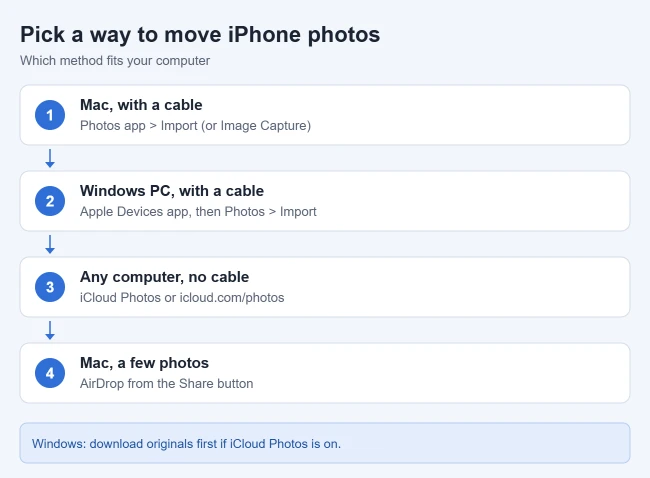
Which Method Should You Use?
| Method | Works with | Best for | What you need |
|---|---|---|---|
| Photos app import | Mac | Moving a whole library or many new photos | USB cable |
| Image Capture | Mac | Saving files to a regular folder | USB cable |
| Windows Photos app | Windows PC | Moving a whole library or many new photos | USB cable, Apple Devices app |
| File Explorer | Windows PC | Copying a handful of files fast | USB cable |
| iCloud Photos | Mac and PC | Automatic, wireless syncing | Enough iCloud storage |
| icloud.com | Any computer with a browser | Grabbing a few photos on a computer that isn’t yours | Your Apple Account sign-in |
| AirDrop | Mac only | Sending a few photos with no cable | Wi-Fi and Bluetooth on both devices |
If you only need a copy once, a cable is the most reliable choice. If you want every new photo to show up on your computer without thinking about it, use iCloud Photos.
Before You Start
- Get a cable that carries data. iPhone 15 and later models have a USB-C port. iPhone 14 and earlier use Lightning. Microsoft notes that some cables only charge and can’t transfer files, so the cable that came with the phone is the safest pick.
- Keep the iPhone unlocked. A computer can’t see the photos on a locked iPhone.
- Check the space on your computer. Photos and especially 4K videos take a lot of room. Look at the free space on the drive you plan to save to before you import thousands of items.
- Check for iCloud-only photos. If you use iCloud Photos with Optimize iPhone Storage, many full-size originals live only in iCloud. A cable import can only copy what is on the phone. See the iCloud section below for how to download the originals first.
Import Photos to a Mac With the Photos App
- Connect the iPhone to the Mac with a USB cable. If the Mac asks to allow the accessory to connect, click Allow.
- Open the Photos app on the Mac. The import screen opens and shows thumbnails from your iPhone. If it doesn’t appear, click the iPhone’s name in the Photos sidebar.
- If asked, unlock the iPhone and tap Trust on the Trust This Computer alert, then enter your passcode.
- Next to Album, choose an existing album or create a new one. This step is optional. Imported items always appear in your library.
- Select the photos you want and click Import Selected, or click Import All New Items to copy everything you haven’t imported before.
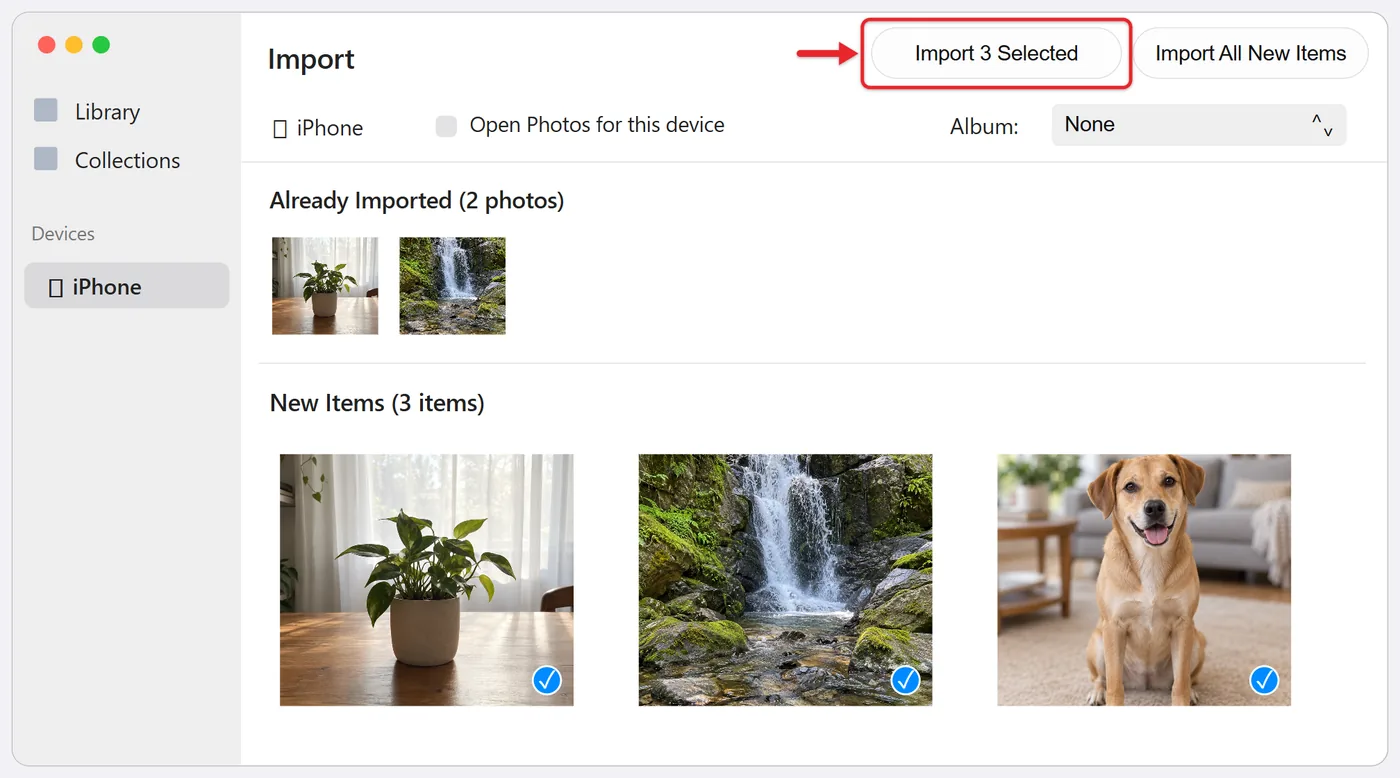
- Wait for the import to finish, then disconnect the iPhone.
The photos appear in your Mac’s Photos library. Videos import the same way, so select their thumbnails too. The import screen can also offer to delete the items from the iPhone after they copy. Leave that option off if you want to keep them on the phone.
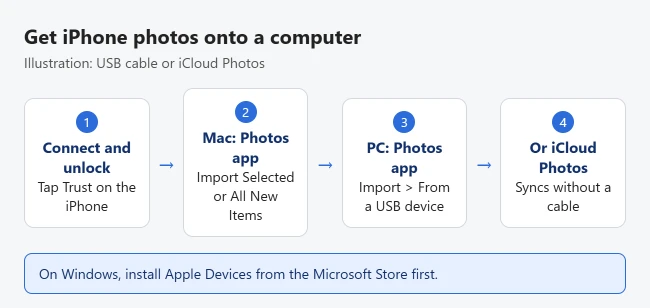
Because Import All New Items skips photos it already copied, you can plug in once a month and import only what’s new without creating duplicates.
Save Photos to a Folder With Image Capture
Prefer plain files in a folder instead of the Photos library? Use Apple’s Image Capture app, which comes with every Mac.
- Connect and unlock the iPhone, and tap Trust if asked.
- Open Image Capture from the Applications folder, then select your iPhone under Devices in the sidebar.
- Open the Import To menu at the bottom of the window and choose a folder, or choose Other to pick one.

- Click Download to copy the selected photos, or Download All to copy everything.
Image Capture saves a Live Photo as a still image plus a separate short video file, so keep both if you want the motion. Photos can also go straight from the iPhone to an external hard drive.
Import Photos to a Windows PC
- Install the free Apple Devices app from the Microsoft Store. It includes the drivers Windows needs to recognize an iPhone.
- Connect the iPhone with a USB cable that can transfer data, then unlock it.
- On the iPhone, tap Trust or Allow when asked, and enter your passcode.
- Select Start, then open the Photos app.
- Select Import, then select your iPhone from the list of connected devices. Windows scans the phone, which can take a minute for a large library.
- Select the photos and videos you want, or use the select-all option.
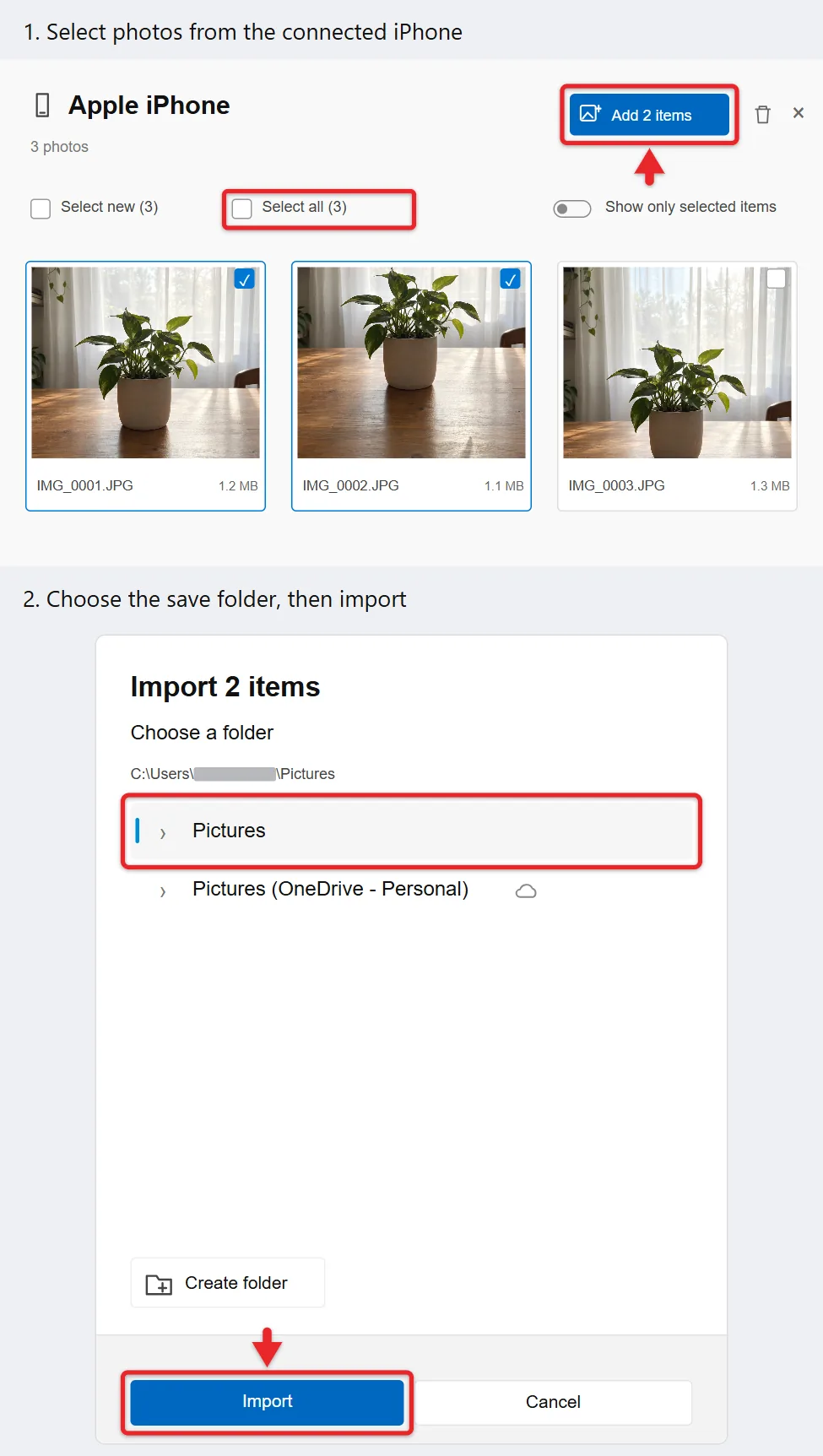
- Check the save location shown in the import window, change it if you like, and start the import.
The photos copy to the folder you chose, which is your Pictures folder unless you changed it. To make large imports easier to sort, pick a new folder for each import, such as one named for the month.
If you use iCloud Photos with Optimize iPhone Storage, download the full-resolution originals to the iPhone before you import to a PC, or use iCloud for Windows instead.
For a longer Windows walkthrough, read about transferring iPhone photos to a PC.
For documents and other files that aren’t in the Photos app, here’s how to transfer files from iPhone to PC.
Copy Files With File Explorer Instead
- Connect, unlock, and trust the iPhone as in steps 2 and 3 above.
- Open File Explorer and select This PC. Your iPhone appears under Devices and drives, usually as Apple iPhone.
- Open Internal Storage, then DCIM.
- Open the numbered folders, such as 100APPLE and 101APPLE. Each holds a batch of photos and videos.
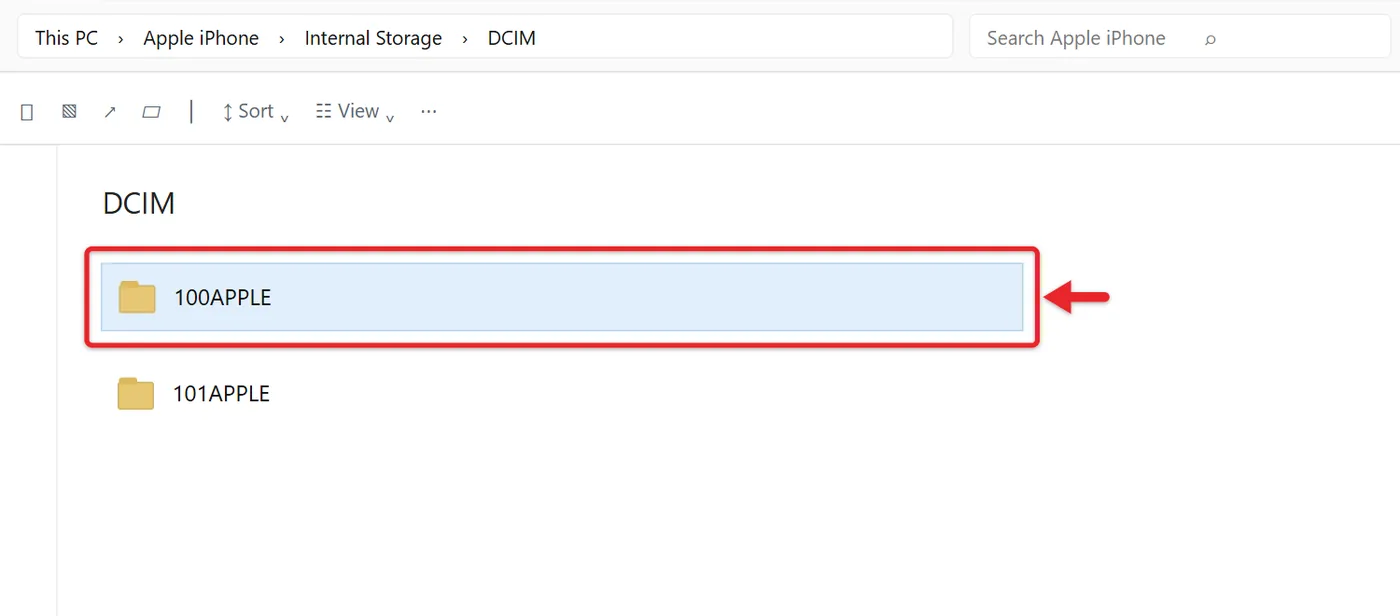
- Select the files you want, copy them, and paste them into a folder on your PC.
Check every numbered folder, because a large library is split across several. This method is fast for a handful of pictures, but the Photos app is easier for thousands. You can also right-click the iPhone under This PC and choose Import pictures and videos for an older import tool that sorts photos into dated folders.
Sync Wirelessly With iCloud Photos
iCloud Photos keeps the same library on your iPhone, Mac, PC, and icloud.com. It stores your original, full-resolution photos, and the library counts against your iCloud storage. Every Apple Account gets 5 GB free, which a photo library fills quickly, so check your storage first.
Turn On iCloud Photos on the iPhone
- Open Settings and tap your name at the top.
- Tap iCloud, then tap Photos.
- Turn on Sync this iPhone.
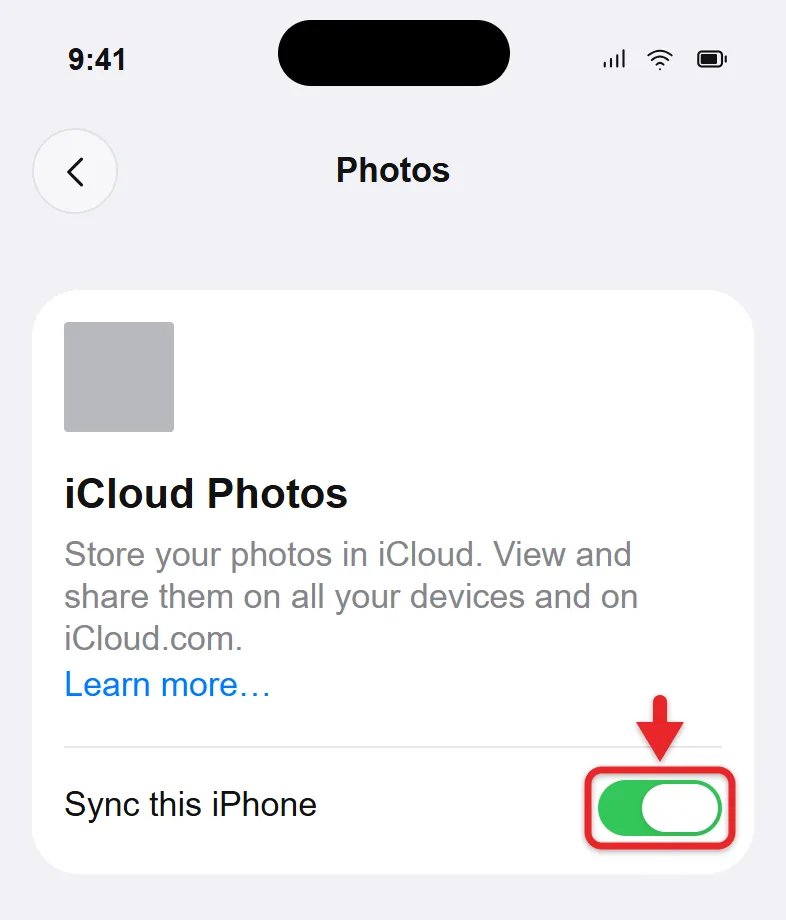
- In iOS 27, tap iPhone Storage and choose Download and Keep Originals if you want every full-size original on the phone. In iOS 26 and earlier, this choice is directly on the Photos screen.
The first upload can take hours or days on a large library, so keep the iPhone on Wi-Fi and power. For more on the storage choices and the upload status, read about turning on iCloud Photos on iPhone.
Get the Photos on a Mac
- Open System Settings from the Apple menu and click your name.
- Click iCloud, then click Photos under Saved to iCloud.
- Turn on Sync this Mac.
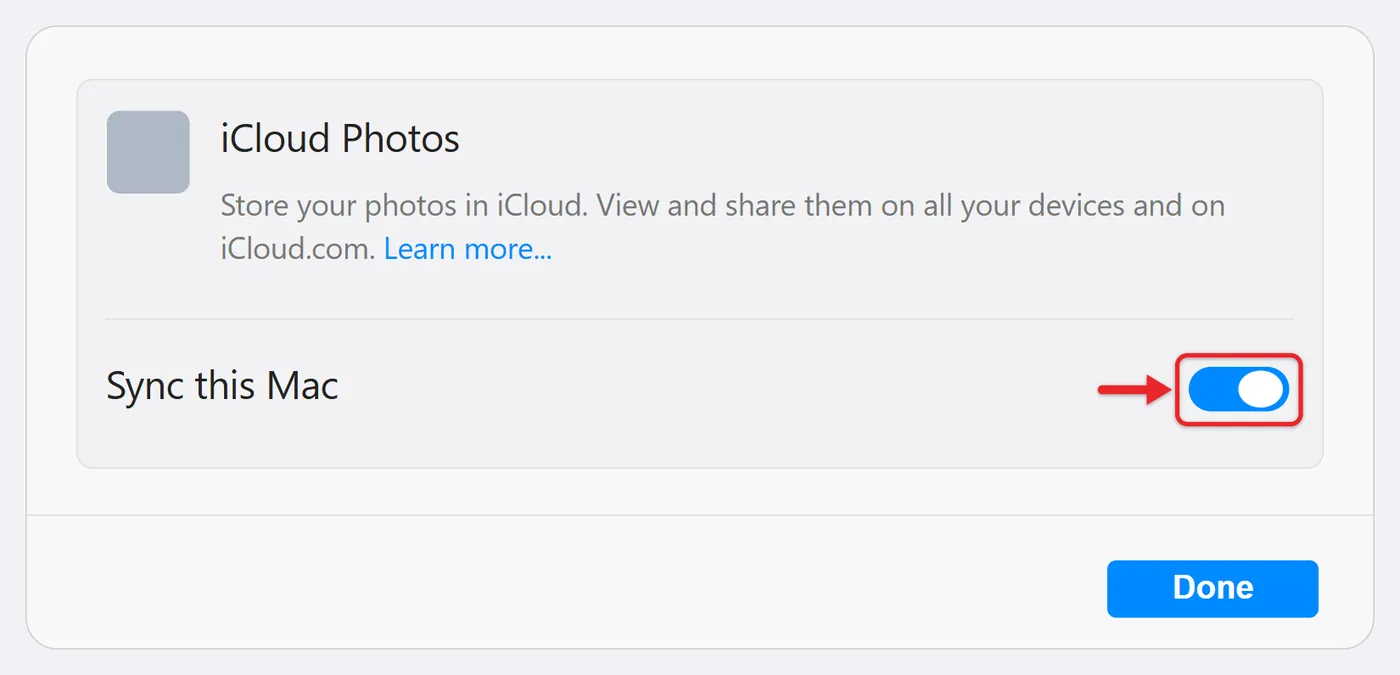
You can also turn it on in the Photos app under Photos > Settings > iCloud. To keep full-size copies on the Mac, choose Download Originals to this Mac on the same tab.
Get the Photos on a Windows PC
- Install iCloud for Windows from the Microsoft Store and sign in with your Apple Account.
- Turn on Photos in iCloud for Windows and apply the change.
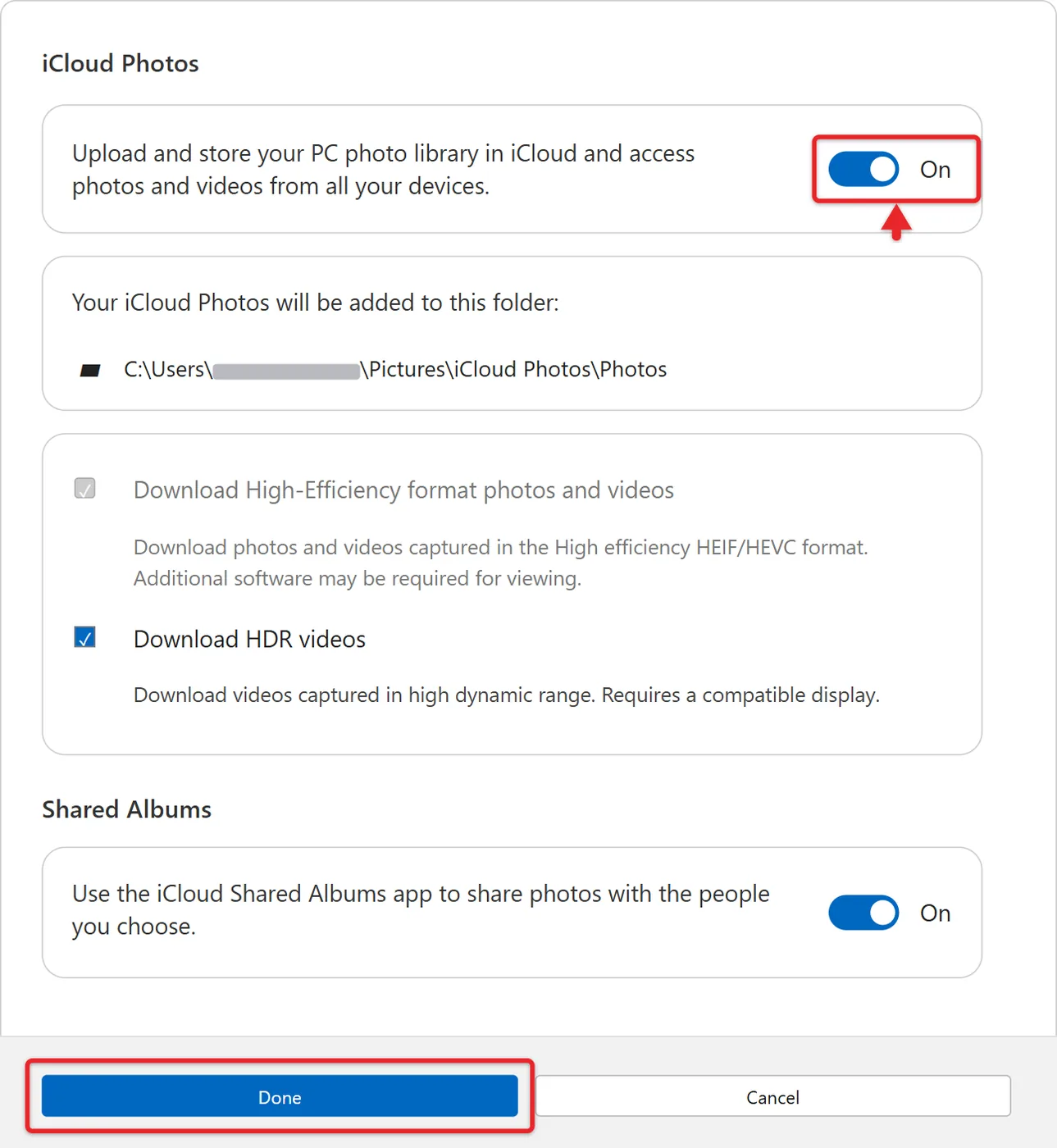
- Open File Explorer and select iCloud Photos in the sidebar.
- Double-click a photo to download and open it, or hold Ctrl to select several.
Download From icloud.com
- Go to icloud.com/photos in any browser and sign in.
- Select the photos or videos you want. Hold Command on a Mac or Ctrl on a PC to select more than one.
- Click the Download button.

By default, icloud.com downloads the most compatible format for the computer you’re using. To pick a format, click the More button, click More Download Options, and choose Unmodified Original or Most Compatible. Apple’s iCloud Photos setup guide covers the settings on every device.
If you would rather use Google Photos or OneDrive for wireless uploads, here’s how to upload pictures to the cloud from a computer, iPhone, or Android.
AirDrop Photos to a Mac
AirDrop is the fastest way to send a few photos to a nearby Mac without a cable.
- On the Mac, turn on Wi-Fi and Bluetooth. Open Control Center, click AirDrop, and make sure it’s on and set to Contacts Only or Everyone for 10 Minutes.
- On the iPhone, open Photos, tap Select, and tap the photos you want.
- Tap the Share button, then tap AirDrop.
- Tap your Mac’s name.
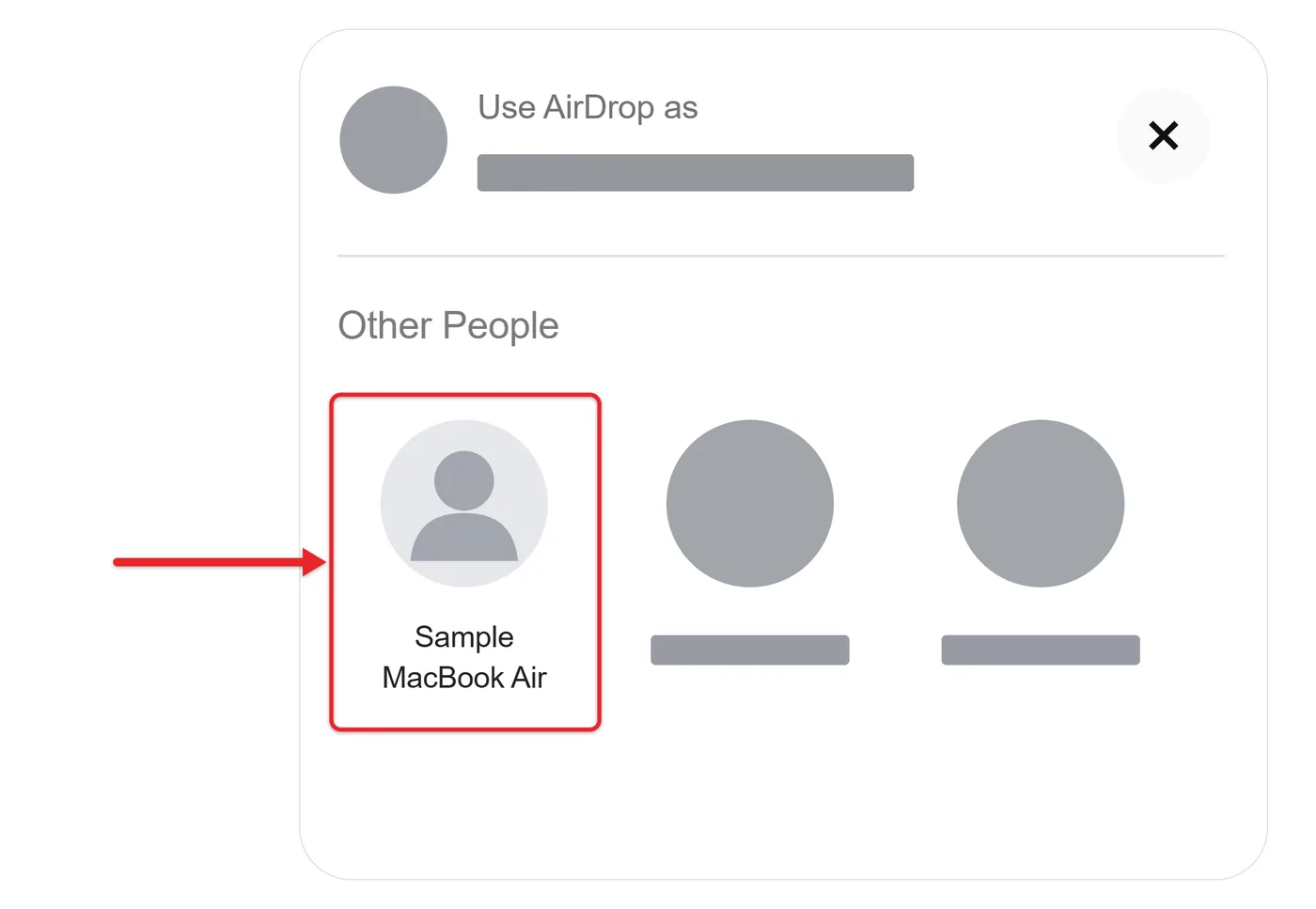
- If the Mac shows a prompt, click Accept.
The photos land in the Mac’s Downloads folder. If both devices use the same Apple Account, the transfer is accepted on its own. AirDrop doesn’t work with Windows PCs. Can you AirDrop to Windows 11? covers the alternatives. For one or two pictures on a PC, emailing them to yourself also works.
If Photos Open as HEIC Files on Windows
iPhones save photos as HEIC and videos as HEVC by default. These files are smaller than JPEG and H.264 at similar quality, but some Windows apps can’t open them. You have three fixes:
- Add support to Windows. Install the HEIF Image Extension and HEVC Video Extensions from the Microsoft Store. HEIC files need both.
- Shoot in JPEG from now on. On the iPhone, go to Settings > Camera > Formats and choose Most Compatible. The camera then captures JPEG photos and H.264 videos. This doesn’t change photos you already took.
- Convert existing photos. You can convert iPhone photos to JPG on the phone before you transfer them, or download Most Compatible copies from icloud.com.
To view the HEIC originals without converting them, here is how to open HEIC files on Windows 11 for free.
Can’t find the files after an import? Here’s how to find all photos on your computer.
Check the Copies, Then Free Up Space
Importing copies your photos. It doesn’t remove anything from the iPhone. Before you delete anything to make room:
- Open the folder or library on your computer and scroll through it.
- Open several photos and play at least one video to make sure they copied fully.
- Keep a second copy of photos you can’t replace, such as on an external drive or a cloud service.
When you’re sure, you can delete photos on the iPhone. Be careful if iCloud Photos is on: deleting a photo on the iPhone deletes it from iCloud and every synced device too. Deleted items stay in Recently Deleted for 30 days. The article on deleting photos and other items on iPhone explains how to empty that album, and you can view all storage recommendations on your iPhone to see what else is using space.
If the Import Doesn’t Work
- The computer doesn’t see the iPhone. Unlock the iPhone and keep it unlocked during the import. Try another cable, plug straight into the computer instead of a hub, and use a different USB port. Restart both devices and reconnect.
- The Trust alert never appears. Disconnect the iPhone. On the iPhone, go to Settings > General > Transfer or Reset iPhone > Reset > Reset Location & Privacy, then reconnect. This makes the iPhone ask again for every computer, and it also resets the app location and privacy permissions you set before.
- You tapped Don’t Trust by mistake. Reconnect the cable. The alert appears again the next time you connect.
- Windows still doesn’t find the iPhone. Update or reinstall the Apple Devices app, install any pending Windows updates, and try again.
- Only older photos show up, or some are missing. The newer ones are probably stored only in iCloud. Turn on Download and Keep Originals and wait for the downloads, or use iCloud for Windows or icloud.com.
- Photos look small or blurry on the computer. They may be the reduced versions that Optimize iPhone Storage keeps on the phone. Download the originals and import again.
- The import stops partway. Import in smaller batches, such as one month or one year at a time, and keep the iPhone charged and unlocked until it finishes.
- Videos won’t play on the PC. They’re likely HEVC files. Install the HEVC Video Extensions or switch the camera to Most Compatible for future videos.
Frequently Asked Questions
Does importing delete photos from my iPhone?
No. Importing copies them. On a Mac, the Photos import screen can offer to delete items after import, so leave that option off if you want to keep the photos on the iPhone.
Do I need iTunes on Windows?
No. Apple’s current instructions for Windows use the Apple Devices app from the Microsoft Store, which provides what Windows needs to connect to the iPhone.
Where do imported photos go on my computer?
On a Mac, they go into the Photos library, or to the folder you chose in Image Capture. On a PC, they go to the folder shown in the Photos import window, which is your Pictures folder unless you changed it.
Can I transfer photos without a cable?
Yes. Use iCloud Photos, download from icloud.com, or AirDrop them to a Mac. Google Photos and OneDrive also upload iPhone photos over Wi-Fi.
Why do some videos not play on my PC?
They may be in HEVC format. Install Microsoft’s HEVC Video Extensions, or choose Most Compatible in Settings > Camera > Formats so future videos record in H.264, which works better with Windows.
Can I import photos from an iPhone to a Chromebook?
Not with these steps. The Apple Devices app and iCloud for Windows run only on Windows. On a Chromebook, download your photos from icloud.com in the browser.
Once your photos are safely on the computer, consider setting up a regular backup so you always have a second copy.

Matthew Burleigh is the founder, head writer, and editor of Solve Your Tech, which he launched in 2012. He has written technology tutorials since 2008 and worked in IT since 2003, including small-business support, IT management, and consulting. He holds Bachelor’s and Master’s degrees in Computer Science from Arizona State University.
Matthew writes practical guides for Windows, iPhone and iPad, Microsoft Office, Outlook, Google apps, and Android. Solve Your Tech’s guides are checked step by step against the device or app maker’s own documentation and tested on his own devices whenever he has the hardware or software, with clear steps, sources, and update dates.
Read more about Matthew and how Solve Your Tech writes and updates its guides, or report a correction.