To install a Bluetooth driver in Windows 11, check Settings > Windows Update > Advanced options > Optional updates, then download the driver from your PC or adapter maker if Windows doesn’t have one. Windows 11 normally installs a Bluetooth driver automatically, but you may need to install one yourself after reinstalling Windows or when the adapter shows up as an unknown device.
Using Windows 10? This Windows 10 Bluetooth-driver installation guide covers its Update & Security menus, optional drivers and model-specific manual installation.
How to Install a Bluetooth Driver in Windows 11
Before downloading anything, make sure the computer actually has Bluetooth hardware. If it does, follow these steps to install the right driver.
- Open Device Manager. Right-click the Start button and select Device Manager.
- Look for the Bluetooth adapter. Expand Bluetooth. If Bluetooth is not listed, check Other devices for an unidentified device that could be the wireless adapter.
- Identify the computer or adapter. Note the Bluetooth adapter name if Windows recognizes it. On a laptop or prebuilt desktop, you can also use the computer’s exact model number to find the manufacturer’s driver.
- Check Windows Update. Open Settings > Windows Update, select Check for updates, and install applicable updates.
- Check optional driver updates. Go to Settings > Windows Update > Advanced options > Optional updates. If an appropriate Bluetooth driver is available, select it and install it.
- Download the manufacturer’s driver if necessary. If Windows does not provide the driver, visit the support website for your computer, motherboard, or Bluetooth adapter and download the Windows 11 Bluetooth driver for your model.
- Install the driver. Run the manufacturer’s installer if the download is an executable file. If you received driver files instead, you can install them manually through Device Manager.
- Restart Windows when required. Complete any restart requested by Windows or the driver installer.
- Verify Bluetooth. Open Settings > Bluetooth & devices and confirm that Bluetooth is available. You can also return to Device Manager and make sure the Bluetooth adapter appears without a warning symbol.
For many computers, you will not need to perform every step. Windows Update may install the correct driver before you ever need to download one manually. Microsoft’s Update Bluetooth drivers in Windows page covers the same order: Device Manager, Windows Update, reinstalling, rolling back, and the PC maker’s site.
Check Windows Update Before Downloading a Driver
Windows 11 automatically obtains many hardware drivers through Windows Update. This is usually the best place to start because Windows can install a compatible driver without requiring you to determine which package to download.
Open Settings > Windows Update and select Check for updates. After normal updates are installed, check Advanced options > Optional updates as well.
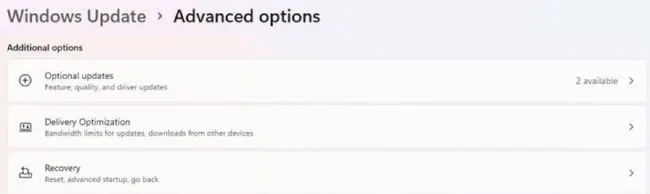
Windows doesn’t install optional driver updates on its own. If Windows lists an appropriate Bluetooth driver there, select it and choose Download & install.
How to Find the Correct Bluetooth Driver
If Windows Update does not provide the driver, use the support site for the computer or Bluetooth hardware manufacturer.
For a laptop or a prebuilt desktop from a company such as Dell, HP, Lenovo, ASUS, Acer, or another PC manufacturer, start with the support page for your computer model. The manufacturer may have tested or customized the wireless driver for that system.
A desktop with a separately installed Bluetooth adapter or USB Bluetooth dongle may instead require a driver from the adapter manufacturer.
Don’t choose a Bluetooth driver based on the processor alone. A PC with an Intel or AMD processor can have wireless hardware made by Intel, Realtek, MediaTek, or Qualcomm. If Device Manager names an Intel adapter, Intel offers its Wireless Bluetooth drivers for Windows 10 and Windows 11. Realtek, MediaTek, and Qualcomm Bluetooth drivers usually come through your PC maker, so use its driver page: Dell, HP, Lenovo, ASUS, or Acer.
The Wi-Fi side of the same card uses its own driver, so if wireless internet is the problem, update the Wi-Fi driver on Windows 11 instead.
How to Manually Install a Downloaded Bluetooth Driver
Driver downloads do not all use the same installation method. If the manufacturer gives you an .exe installer, open it and follow its instructions.
Before you run a driver installer, you can create a restore point in Windows 11 as a safety net.
If the download contains individual driver files instead, including an .inf file, you can install them through Device Manager:
- Open Device Manager.
- Expand Bluetooth, or check Other devices if the Bluetooth hardware is unidentified.
- Right-click the Bluetooth adapter or unidentified device and select Update driver.
- Select Browse my computer for drivers.
- Select Browse and choose the folder containing the downloaded driver files.
- Select Next and follow the instructions to complete the installation.
- Restart the computer if Windows or the manufacturer instructs you to do so.
What If Bluetooth Is Missing From Device Manager?
First confirm that the computer actually includes Bluetooth. Some desktop PCs do not have built-in Bluetooth and require a USB Bluetooth adapter or another wireless adapter.
If the computer does support Bluetooth, check Other devices in Device Manager for unidentified hardware. A clean Windows installation may not yet recognize the wireless adapter correctly.
Also make sure Airplane mode is off, install current Windows updates, and restart the computer. If Bluetooth previously worked but suddenly disappeared, the problem could involve the driver, a Windows update, a disabled adapter, a Windows service, or the hardware itself.
Selecting View > Show hidden devices in Device Manager can reveal an old device entry, but it does not repair hardware that Windows is no longer detecting.
Avoid Third-Party Driver Download Sites
You generally do not need a program that promises to scan the computer and update every driver.
For Bluetooth hardware, Windows Update and the official support sites for the PC or adapter manufacturer are safer sources. Generic driver-download websites can provide outdated, incorrect, or unnecessary packages.
Troubleshoot Bluetooth Driver Problems
Match the fix to the problem:
- Only one accessory won’t connect: if Bluetooth itself works, the driver is probably fine. Check the accessory’s battery, pairing mode, and range, then remove it and pair it again. Keyboards have their own set of fixes for when they stop working in Windows 11. For a controller, follow the PS4 controller setup guide for Windows 11.
- Device Manager says the best driver is already installed: check your PC maker’s support page for your exact model. Microsoft notes that the maker may have a newer driver than Device Manager finds.
- Bluetooth broke after a driver update: in Device Manager, right-click the Bluetooth adapter, select Properties, open the Driver tab, and select Roll Back Driver if it’s available.
- The adapter shows a warning symbol, disappears, or several devices stop working at once: reinstall the adapter with the steps below.
If the accessory that won’t connect is a pair of AirPods, the pairing control differs by model, as shown in pairing AirPods to Windows 11.
If Bluetooth works but a Plantronics or Poly headset won’t show up, put the headset in pairing mode.
If Bluetooth headphones connect but play nothing, the steps to fix no sound on Windows 11 cover the output and format checks.
Windows also includes broader troubleshooting resources. This overview of the built-in Windows 11 help tools explains where to find them and when to use each one.
How to Reinstall the Bluetooth Adapter in Windows 11
If the adapter is malfunctioning after you have checked for updates, reinstall its device entry. Before starting, download the correct manufacturer driver as a fallback and keep a wired mouse or keyboard available if yours uses Bluetooth. Uninstalling the adapter temporarily disconnects Bluetooth accessories.
- Right-click Start and select Device Manager.
- Expand Bluetooth, then right-click the Bluetooth adapter itself, rather than an individual paired accessory.
- Select Uninstall device. If a checkbox offers to remove the driver software, leave it unchecked for this basic reinstall, then confirm Uninstall.
- Save your work and select Start > Power > Restart.
- After restarting, check Device Manager > Bluetooth and Settings > Bluetooth & devices. Windows normally detects the adapter and reinstalls its driver.
If the adapter still has a warning symbol or Bluetooth is unavailable, install the model-specific driver you downloaded, or use Windows Update and optional updates as described above. A reinstall cannot add Bluetooth hardware to a PC that does not have it. The uninstall-and-restart method comes from Microsoft’s Bluetooth driver troubleshooting guide.
Frequently Asked Questions
Does Windows 11 install Bluetooth drivers automatically?
Usually. Windows 11 obtains many Bluetooth drivers automatically through Windows Update. Manual installation is most useful when Windows does not recognize the adapter, a clean installation is missing drivers, or the manufacturer provides a driver that Windows Update does not.
Where should I download a Bluetooth driver?
Use Windows Update first. If you need to download the driver manually, use the official support site for the PC, motherboard, or Bluetooth adapter manufacturer and select the package intended for your exact model.
Why isn’t Bluetooth showing in Device Manager?
The PC may not have Bluetooth hardware, the driver may be missing, Windows may not be detecting the adapter, or the hardware may be disabled or malfunctioning. Check Other devices for unidentified hardware before assuming that downloading a random Bluetooth driver will solve the problem.
Can I install a Bluetooth driver without Internet access?
Yes. Download the correct driver on another computer, copy it to a USB drive, transfer it to the Windows 11 PC, and then run the installer or install the driver files manually through Device Manager.
Do I need a Bluetooth driver for a USB Bluetooth adapter?
Many USB Bluetooth adapters work with drivers Windows installs automatically. Others require a manufacturer-specific driver. Check the adapter manufacturer’s instructions if Windows does not recognize it correctly.
Should I update my Bluetooth driver if everything works?
No. You don’t need to replace a working Bluetooth driver just because a newer version exists. Update it when the new version fixes a problem you have, or a compatibility or security issue.
Related Guides
Once the driver is installed, turn on Bluetooth in Windows 11, or browse more driver guides.

Matthew Burleigh is the founder, head writer, and editor of Solve Your Tech, which he launched in 2012. He has written technology tutorials since 2008 and worked in IT since 2003, including small-business support, IT management, and consulting. He holds Bachelor’s and Master’s degrees in Computer Science from Arizona State University.
Matthew writes practical guides for Windows, iPhone and iPad, Microsoft Office, Outlook, Google apps, and Android. Solve Your Tech’s guides are checked step by step against the device or app maker’s own documentation and tested on his own devices whenever he has the hardware or software, with clear steps, sources, and update dates.
Read more about Matthew and how Solve Your Tech writes and updates its guides, or report a correction.