You bought an iPhone from a friend, a marketplace listing or a refurbished seller, and now you need it to accept your SIM and your Apple Account so you can start using it. Before anything else, confirm the iPhone has been erased and removed from the previous owner’s Apple Account, because Activation Lock stops setup otherwise. Then turn it on, follow the Hello screen over Wi-Fi, sign in with your own Apple Account, and add your SIM or eSIM for cellular service.
Check These Things Before You Pay
If you haven’t handed over money yet, these checks protect you. Apple’s own advice in What to do before you buy a used iPhone is to buy from a reliable seller, know the return policy, and skip any iPhone that is still tied to someone else’s account.
1. Activation Lock
Activation Lock is part of Find My. When it is on, the phone checks with Apple during activation and asks for the original owner’s Apple Account password. No one but that owner (or Apple, through its own processes) can clear it, and nothing below tries to get around it.
Turn the iPhone on or wake it and look at what appears:
- “iPhone Locked to Owner” screen (on iOS 15 or later): the phone is protected by Activation Lock. Apple says not to take ownership of it. If the seller is with you, they can enter their password to turn off Activation Lock. If you bought online and see this screen, return the iPhone.
- A Lock Screen asking for a passcode, or a Home Screen: the phone hasn’t been erased. Ask the seller to erase it in front of you before you pay.
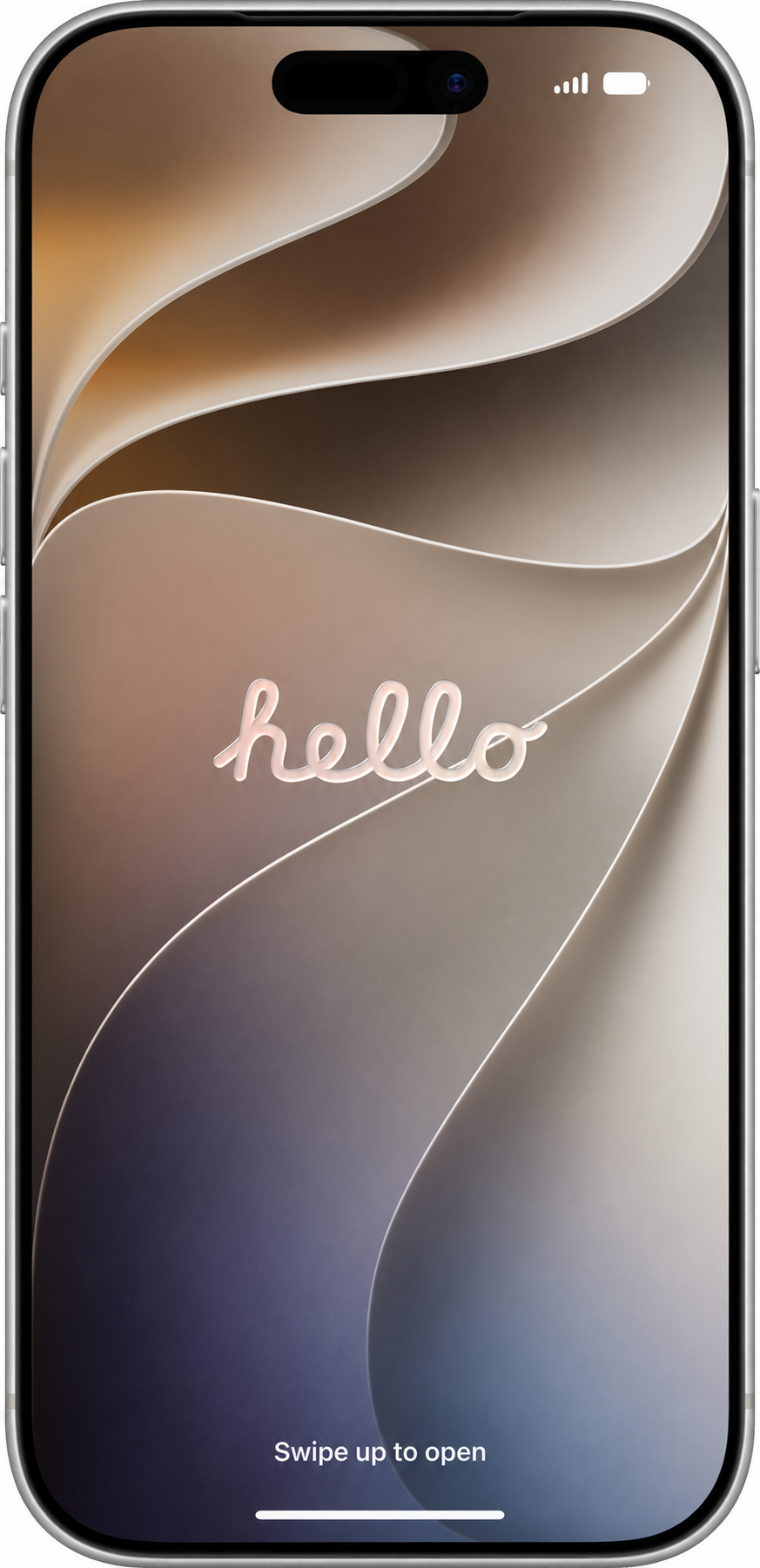
- The Hello screen: the phone has been erased and is ready to set up. Keep going through setup until you are past the activation step to be sure, because a request for the previous owner’s Apple Account appears during setup if the phone is still linked.
2. Carrier Lock
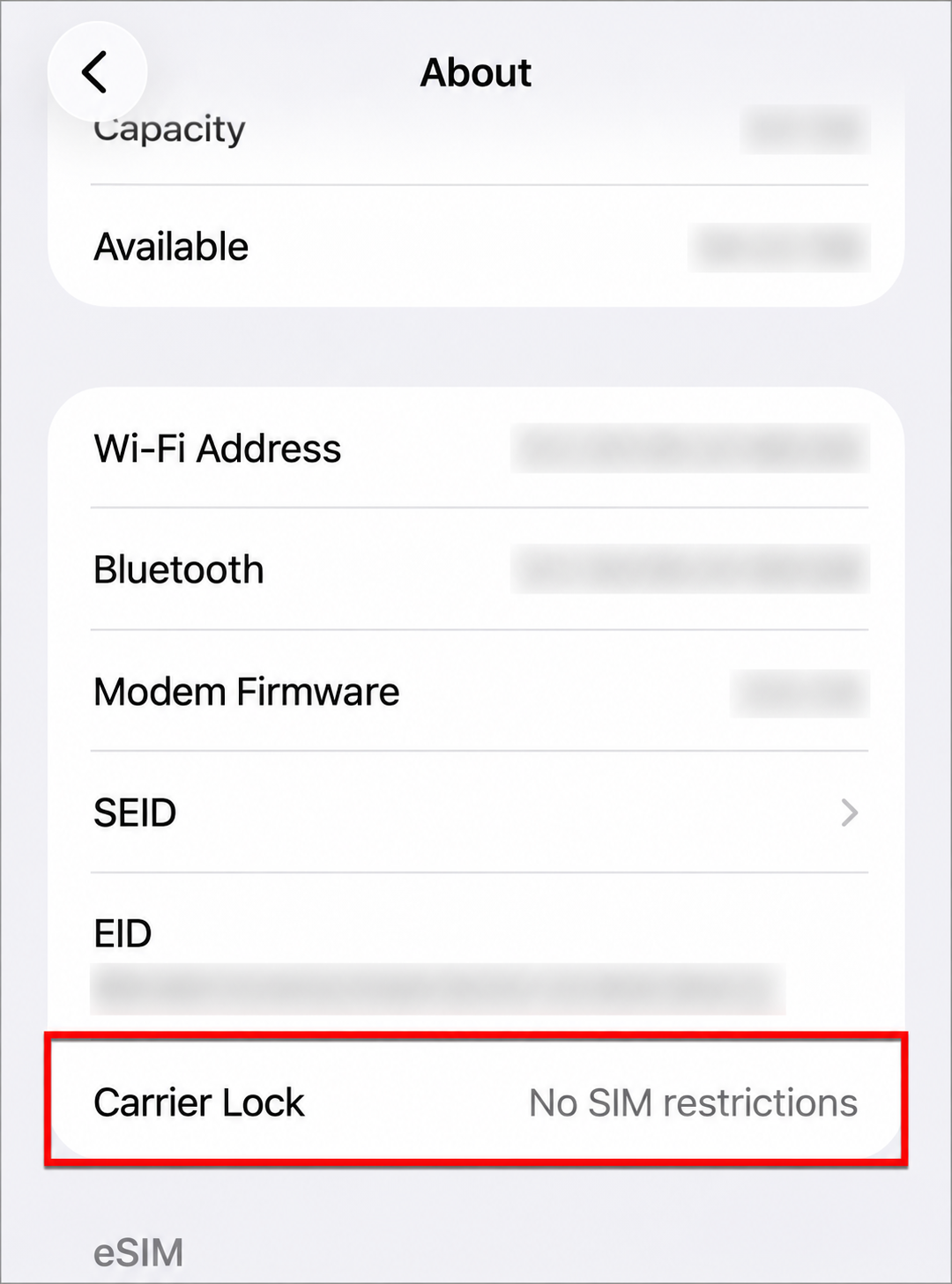
Some iPhones only work with the carrier they were sold through. If the phone is set up (or you get past setup over Wi-Fi), go to Settings > General > About and look at Carrier Lock. Apple says “No SIM restrictions” means the iPhone isn’t locked to a carrier. Anything else means only that carrier can lift the lock. Apple can’t do it for you, and Apple notes the carrier may take a few days. Apple’s carrier lock page explains the options.
3. Condition and Parts
Apple’s used-iPhone page also suggests looking at:
- The body and charging port. Check the display, sides and back for dents and scuffs, and look inside the charging port for damage or debris. If the phone won’t turn on, try charging it; Apple says not to buy one that won’t charge.
- Parts and Service History in Settings > General > About (iOS 15.2 or later), which can show whether parts such as the battery or display are listed as Genuine Apple Part or Unknown.
- Battery health in Settings > Battery > Battery Health (on iOS 16.1 or later the label may read Battery Health & Charging).
- Buttons, cameras, speakers and microphone. Play a sound from Settings > Sounds & Haptics (Sounds on older models), record a quick Voice Memo, try both cameras, and check the display under Settings > Display & Brightness.
If you connect to Wi-Fi to test and then decide not to buy, Apple suggests forgetting your network on that phone before you hand it back.
Example: A Marketplace Meetup
Dana meets a seller in a coffee shop. The phone shows a Home Screen, so she asks the seller to erase it on the spot. After the erase, the Hello screen appears. She steps through setup on the shop’s Wi-Fi until the phone asks for her own Apple Account, not the seller’s, and checks Carrier Lock afterward. Only then does she pay. That ten minutes is what separates a working phone from a paperweight.
If the iPhone Wasn’t Erased
The seller should do this, because erasing an iPhone with Find My on requires their Apple Account password. Apple’s guide to preparing an iPhone for a new owner describes it:
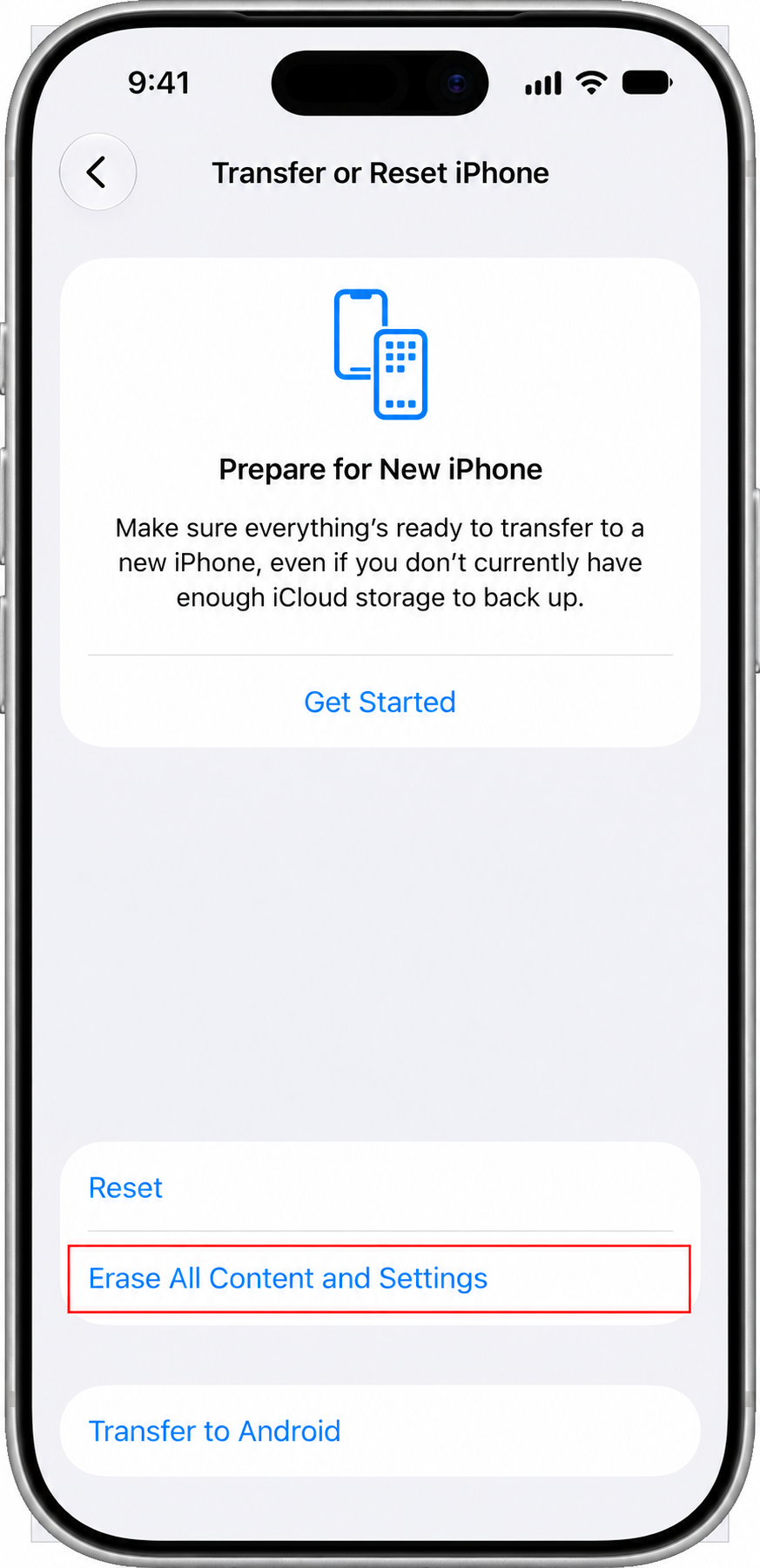
- On the iPhone, go to Settings > General > Transfer or Reset iPhone.
- Tap Erase All Content and Settings.
- Enter the passcode and the Apple Account password if asked, then confirm Erase iPhone.
- If the phone has an eSIM, the seller should choose to erase the eSIM profile when asked (their phone plan stays with them).
Apple says erasing this way also turns off Find My and Activation Lock. A seller who wants to turn off Find My separately can follow these steps to turn off Find My iPhone. For a closer look at the erase options, including erasing from a computer, see how to factory reset an iPhone.
If the Seller Isn’t There
Apple’s Activation Lock page says to contact the previous owner as soon as possible and ask them to use a browser to remove the device from their account (Apple’s seller guide points owners to Find Devices on iCloud.com). Don’t take ownership until they confirm it is removed. Apple’s pages don’t describe a removal route for buyers, so if you can’t reach the seller, return the phone if you can. Otherwise ask Apple Support what applies, with your receipt and the seller’s details ready.
Activate and Set Up the iPhone
With a Hello screen on the display, setup works the same as on a new iPhone. Apple’s setup instructions cover each screen.
Before You Start
- Wi-Fi you can join, or a SIM or eSIM from your carrier for cellular activation.
- Your Apple Account email and password. If you aren’t sure which address you use, here is how to find your Apple Account email.
- Your old phone nearby if you plan to transfer from it.
- A charger, since setup and restores can take a while.
Steps
- Press and hold the side button until the Apple logo appears.
- On the Hello screen, swipe up (or press the Home button on models that have one), then choose your language, region and text size.
- Choose Quick Start if your old iPhone or iPad is nearby and signed in to your Apple Account, or tap Set Up Without Another Device.
- Join a Wi-Fi network. If you’d rather use cellular, tap Continue Without Wi-Fi; Apple notes that a Wi-Fi + Cellular model may need a SIM inserted or eSIM set up first for this.
- Wait while the iPhone activates. This is the moment Activation Lock is checked. If the screen asks for an Apple Account that isn’t yours, stop and contact the seller.
- Set up Face ID or Touch ID (depending on the model), then create a passcode. The default is six digits; tap Passcode Options for other types.
- On the transfer screen, choose how to bring in your data: from an iCloud backup, from a Mac or PC, from Android, or Don’t Transfer Anything for a clean start.
- Sign in with your Apple Account, or use the link for a forgotten password if needed.
- Finish the remaining screens (Location Services, updates, Siri and so on).
Set Up as New or Restore?
Restoring brings your apps, settings and messages from your previous phone, which is what most people want. Set up as new if you are coming from a phone you no longer have or you want a clean start. Moving between two iPhones has its own options covered in transferring data from iPhone to iPhone, and if you choose a backup later, see how to restore an iPhone from a backup.
After setup, check Settings > General > Software Update. A used phone may be several updates behind.
Get Cellular Service: SIM, eSIM or Carrier Activation
You don’t need a SIM to finish setup over Wi-Fi, but you need one (physical or eSIM) for calls, texts and mobile data.
Physical SIM
Power the phone off, use the SIM tool in the tray on the side, insert your SIM and power it back on. Apple’s carrier lock page says that after putting in a new SIM you may need to wait for activation to finish. Not every iPhone has a SIM tray: some models sold in some countries may be eSIM only, so look for the tray before buying a physical SIM.
eSIM
Apple’s eSIM setup page says eSIM works on iPhone XS and later when your carrier supports it. The common routes:
- Transfer from your old iPhone. Go to Settings > Cellular > Set Up Cellular (or Add eSIM) > Transfer From Nearby iPhone. Apple lists iOS 18.4 or later on both phones, the same Apple Account and Bluetooth turned on.
- Carrier Activation. If your carrier assigned the eSIM to this phone, look for a “Carrier Cellular Plan Ready to Be Installed” notification and follow it.
- QR code. Choose Use QR Code and scan the code your carrier gave you.
- Carrier app or manual entry. Some carriers use their own app; otherwise, enter the details manually.
Coming from Android, Apple says the carrier transfers your number. Carriers check whether a phone can join their network using its IMEI, which you’ll find in Settings > General > About. Each carrier runs this check its own way, so use your carrier’s activation page or store.
If the iPhone Won’t Activate
Apple’s activation troubleshooting steps work through these checks in order:
- Setup asks for a password. That can mean Activation Lock is on. If the Apple Account isn’t yours, stop and go back to the steps in “If the Seller Isn’t There.” No software, service or trick removes Activation Lock legitimately, and tools that claim to are best avoided.
- Check Apple’s status. Open Apple’s System Status page. If iOS Device Activation isn’t green, try again later.
- Restart. Restart the iPhone and try again.
- Switch networks. If you’re on cellular data, switch to a reliable Wi-Fi network.
- “Activation server” errors. If you see that the activation server is temporarily unavailable or can’t be reached, wait a few minutes and repeat the steps above.
- SIM not recognized or “SIM not supported.” Reseat the SIM, then check Carrier Lock. A message like this on a carrier-locked phone usually means the original carrier needs to lift the lock.
- Still stuck. Connect the iPhone with a cable to a computer with the latest macOS or the latest iTunes, find it in Finder or iTunes, and wait. A “Set up as New” or “Restore from Backup” prompt means it activated. An error that the SIM or eSIM isn’t compatible or is invalid means contact your carrier. An error that the activation information was invalid means restore it using recovery mode.
Used iPhone Activation Questions
Can I activate a used iPhone without a SIM card?
Yes. Apple’s setup flow activates over Wi-Fi. You’ll need a SIM or eSIM later for cellular service. The exception is Continue Without Wi-Fi: using cellular to activate may require a SIM or eSIM first.
Can Apple remove the previous owner’s Activation Lock for me?
Apple’s Activation Lock page tells buyers to have the previous owner remove the device from their account. It doesn’t describe a removal process for buyers, so contact Apple Support and ask what applies to your case.
Will my old SIM work in the used iPhone?
If the phone shows “No SIM restrictions” under Carrier Lock and uses the same SIM size, usually yes, though your carrier may need to activate the new device. If the iPhone is eSIM only, ask your carrier to move your number to an eSIM.
Does erasing the iPhone remove the seller’s carrier lock?
No. Erasing removes data and, when done by the owner, Activation Lock. A carrier lock is separate and only the carrier can lift it.
Do I need the seller’s passcode?
Only if the phone hasn’t been erased. Once you see the Hello screen, the old passcode is gone and you’ll create your own during setup.
Once activation finishes and your own Apple Account is signed in, check Settings > General > About one more time to confirm the carrier and model, then start moving in your apps.

Matthew Burleigh is the founder, head writer, and editor of Solve Your Tech, which he launched in 2012. He has written technology tutorials since 2008 and worked in IT since 2003, including small-business support, IT management, and consulting. He holds Bachelor’s and Master’s degrees in Computer Science from Arizona State University.
Matthew writes practical guides for Windows, iPhone and iPad, Microsoft Office, Outlook, Google apps, and Android. Solve Your Tech’s guides are checked step by step against the device or app maker’s own documentation and tested on his own devices whenever he has the hardware or software, with clear steps, sources, and update dates.
Read more about Matthew and how Solve Your Tech writes and updates its guides, or report a correction.